Artificial intelligence (AI) has evolved from a futuristic concept into a practical, indispensable part of the modern workplace. In 2026, AI tools are transforming how we work, communicate, and create. From automating routine tasks to boosting creativity and decision-making, these tools are no longer optional—they are becoming essential for professionals across industries.
The AI landscape is rapidly expanding, with tools designed to improve productivity, streamline communication, and enable smarter, data-driven decisions. As businesses continue to adopt these technologies, employees are finding new ways to collaborate and innovate. Here are three key ways AI is changing work, along with practical tips for leveraging these tools effectively.
Automate Repetitive Tasks
One of the most immediate benefits of AI is its ability to handle repetitive, time-consuming tasks. In 2026, intelligent workflow assistants and automation platforms are capable of managing processes that previously required significant human attention. These include data entry, scheduling, report generation, email filtering, and even customer support interactions.
For example, AI-powered virtual assistants can now schedule meetings by analyzing calendars, priorities, and team availability without manual input. Similarly, automated data extraction tools can process thousands of documents or emails in minutes, reducing human error and freeing up employees for strategic work.
How to use it effectively:
Identify tasks that are repetitive and rule-based.
Integrate AI tools gradually, starting with one workflow at a time.
Regularly review AI outputs to ensure quality and accuracy.
By embracing automation, employees can shift their focus to higher-value tasks that require creativity, critical thinking, and human judgment. The result? A more efficient, productive workplace that allows people to contribute their unique skills.
Enhance Creativity and Collaboration
AI isn’t just about efficiency—it’s also about amplifying human creativity. In 2026, AI-driven platforms are helping teams brainstorm ideas, generate content, and even create visuals or multimedia presentations. Tools can suggest improvements, provide alternative designs, or generate multiple versions of a draft, enabling teams to iterate faster than ever before.
For instance, content creators can use AI to draft articles, suggest headlines, or optimize social media posts for engagement. Designers can use AI to produce prototypes or mockups in minutes. Even brainstorming sessions are being transformed, as AI can propose innovative solutions based on patterns from previous projects or market trends.
How to use it effectively:
Treat AI suggestions as a starting point, not the final product.
Combine human intuition and creativity with AI efficiency.
Encourage team members to experiment with AI tools during collaboration sessions.
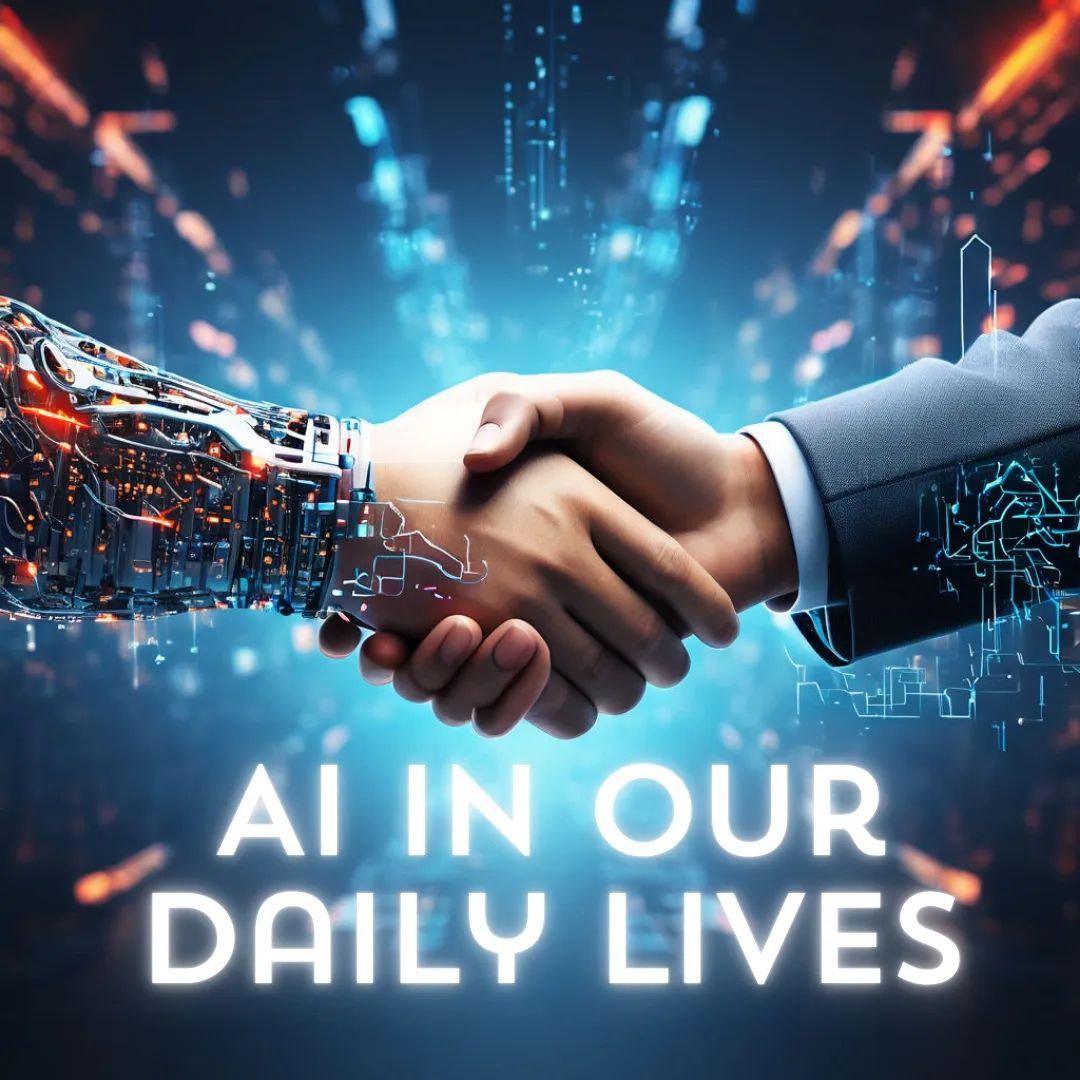
By leveraging AI creatively, companies can accelerate innovation and uncover solutions that may not have been discovered through traditional brainstorming methods. AI becomes a partner, not a replacement, enabling teams to explore new possibilities.
Smarter Decision-Making
AI is revolutionizing decision-making in the workplace by providing real-time, data-driven insights. Predictive analytics, natural language processing, and sentiment analysis are helping managers and employees make better-informed choices quickly. Instead of relying solely on gut feelings or outdated reports, professionals can now access dashboards that show trends, forecast outcomes, and identify risks or opportunities in real time.
For example, sales teams can use AI to predict which leads are most likely to convert, while HR departments can identify trends in employee engagement before they become issues. Marketing teams can analyze consumer behavior across multiple channels, optimizing campaigns for maximum ROI.
How to use it effectively:
Make data accessible and understandable for your team.
Combine AI insights with human expertise for balanced decision-making.
Continuously refine algorithms and models based on feedback and results.
Smarter decision-making powered by AI allows organizations to respond to changes faster, reduce costly mistakes, and allocate resources more effectively. It also helps professionals focus on strategic thinking rather than getting bogged down by complex analysis.
Question to Consider:
With AI handling more routine and analytical work, how will your role evolve in the next few years? Are you prepared to leverage AI as a partner in your daily tasks rather than seeing it as a replacement?
This question is not just hypothetical. As AI adoption accelerates, employees will need to adapt to new workflows, learn to work alongside AI tools, and develop skills that complement automated processes. Roles may shift, but opportunities for growth, creativity, and impact will expand.
Conclusion:
The top AI tools of 2026 are not just about saving time—they are about amplifying human potential. Automation frees employees from repetitive tasks, AI-driven creativity tools enable faster innovation, and analytics platforms support smarter, data-driven decision-making. Together, these technologies are reshaping the way we work, making workplaces more efficient, innovative, and adaptable.
The challenge is not whether to adopt AI, but how to work alongside it effectively. Professionals who embrace AI as a collaborative partner will gain a competitive edge, enhance their productivity, and unlock new opportunities for growth. In 2026, success is defined not just by what humans can do alone, but by what humans and AI can achieve together.