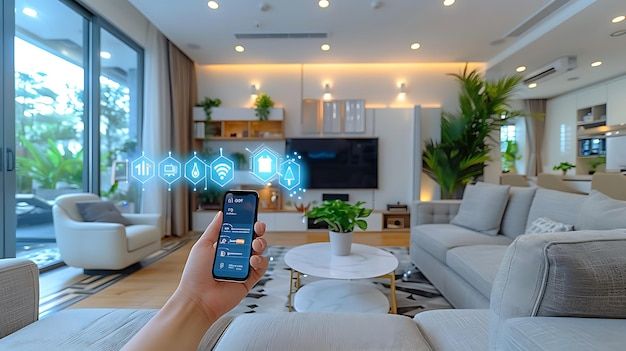
Smart devices have quietly revolutionized the way Americans live, work, and interact at home. What once seemed like futuristic technology—voice-activated assistants, smart thermostats, networked appliances—is now deeply embedded in daily life. From saving energy and time to enhancing comfort and security, smart technology is reshaping U.S. homes in ways both obvious and subtle. As these devices become more affordable and intuitive, their influence on routines and expectations continues to grow.
The Smart Home Revolution Takes Off
Just a decade ago, the idea of controlling your lights with your voice, locking your doors from a smartphone, or receiving alerts when your fridge is running low on groceries felt like science fiction. Today, these features are commonplace. Smart speakers, such as Amazon’s Alexa and Google Assistant, have become household staples, serving as hubs for connected devices and natural entry points for users unfamiliar with tech ecosystems.
What sets this wave of technology apart is accessibility. Unlike earlier home automation systems that were expensive and required professional installation, many of today’s smart devices are plug-and-play. Affordable pricing and user-friendly apps have encouraged millions of households to adopt smart tech, transforming everyday environments into interconnected digital spaces.
Convenience and Time Savings
One of the biggest reasons smart devices have taken hold is their ability to simplify daily tasks. For busy families and working individuals, automation can be a lifesaver. Smart thermostats learn homeowners’ routines and adjust temperature settings automatically, improving comfort while reducing energy bills. Automated lighting systems can switch off in empty rooms or dim in the evening, creating convenience and enhancing ambiance.
Kitchen appliances have also evolved. Smart refrigerators can inventory groceries and suggest recipes based on what’s inside. Smart ovens can be preheated from a smartphone and adjust cooking times based on food type. These capabilities reduce cognitive load and streamline routines, giving people more time for work, family, and leisure.
Enhanced Security and Peace of Mind
Safety has become one of the most compelling reasons families invest in smart home technology. Traditional alarm systems have been replaced or supplemented by smart cameras, doorbell cameras, and motion sensors that send real-time alerts to homeowners’ phones. Whether someone is at work, on vacation, or simply in another room, they can check on their home with the tap of a screen.
Smart locks and garage door openers add another layer of control. Homeowners can grant temporary digital access to guests or service workers without handing out keys. If a child arrives home from school, parents can receive a notification and know instantly that the house is secure. These functionalities provide peace of mind and redefine how people think about domestic safety.
Energy Efficiency and Sustainability
As energy costs rise and environmental concerns grow, many Americans are turning to smart technology to help manage consumption. Smart thermostats, for example, use sensors and learning algorithms to optimize heating and cooling, which can significantly reduce utility bills over time. Smart plugs and power strips can cut power to appliances when they’re not in use, eliminating “phantom” energy drain.
Some devices provide detailed usage reports, showing which systems consume the most energy. This data empowers homeowners to make informed changes that can save money and reduce carbon footprints. For environmentally conscious consumers, the combination of convenience and sustainability makes smart home technology especially attractive.
Integration and Customization
Another trend reshaping U.S. homes is the seamless integration of devices across platforms. With a growing number of products compatible with major smart ecosystems, users can control lights, thermostats, cameras, appliances, and entertainment systems from one central hub. Voice commands streamline these interactions, enabling people to manage connected devices without ever picking up a phone.
Customization has also become a major selling point. Instead of one-size-fits-all systems, families can build tailored solutions based on their needs. A parent might set up automated bedtime lighting for children, while a remote worker could configure personalized “focus mode” scenes that adjust lighting and silence notifications during work hours. This level of personalization makes smart technology feel less like a gadget and more like a lifestyle enhancement.
Challenges and Concerns
Despite their benefits, smart devices raise important questions about privacy and security. Always-on microphones, cameras, and internet connectivity mean that data about personal habits and routines is constantly being collected. While many companies emphasize encryption and security measures, breaches and vulnerabilities have occurred, raising concern among privacy advocates.
Users also face the challenge of navigating updates, compatibility issues, and the pace of technological change. Devices can become obsolete or unsupported over time, leading consumers to replace systems more frequently than they expected. And as homes become more dependent on connectivity, reliable internet service becomes essential—not just desirable.
The Future of Smart Homes
Looking ahead, the role of smart devices in U.S. homes is likely to expand even further. Artificial intelligence and machine learning are advancing, enabling devices to anticipate needs more accurately and operate with less human input. For instance, predictive systems could adjust home environments based on health data, weather forecasts, or personal preferences without user intervention.
We may also see deeper integration with utilities and public infrastructure, allowing homes to respond dynamically to grid demand or local weather events. Smart tech could support aging in place, helping older adults maintain independence by monitoring wellness, detecting falls, and coordinating care.
Everyday Life, Reimagined
Smart devices are more than technological novelties—they’re changing how Americans live on a daily basis. From streamlining mundane tasks to enhancing safety, reducing energy costs, and creating personalized living environments, smart technology reshapes expectations about what a home can be.
The shift isn’t just about innovation; it’s about value. In a time when people are juggling work, family, finances, and wellness, tools that save time, increase comfort, and offer peace of mind aren’t luxuries—they’re practical solutions. As smart devices continue to evolve, so too will the very concept of home, blending physical space with digital intelligence to create environments that are responsive, efficient, and more in tune with the needs of modern life.