
Technology is no longer something people consciously turn on. It has quietly become part of everyday life, shaping routines in ways that often go unnoticed.
By 2026, many innovations that once felt experimental will be used daily across the United States. Not because they are exciting, but because they make life easier, calmer, and more efficient.
Smarter AI Assistants That Feel Natural
AI assistants are evolving beyond simple commands and scripted responses. By 2026, they will feel more intuitive, understanding context rather than waiting for instructions.
Americans will rely on these assistants throughout the day to organize schedules, summarize information, and reduce mental clutter. Instead of managing tasks manually, people will increasingly delegate small decisions to AI that adapts to their habits.
The shift isn’t about replacing humans. It’s about reducing friction in everyday life.
Wearable Health Technology as a Daily Guide
Health wearables are moving from data collection to meaningful guidance. By 2026, these devices will play a more active role in daily decision-making.
Rather than presenting complex metrics, wearables will translate health data into simple suggestions. Users will know when to rest, when to move, and when to slow down. For many Americans, this guidance will become part of their daily rhythm.
Health technology will no longer feel technical. It will feel supportive.
Personal Finance Tools That Think Ahead
Money management has always been a source of stress. Technology is beginning to change that experience.
In 2026, AI-powered finance tools will help Americans anticipate expenses, adjust spending habits, and manage subscriptions automatically. These tools will work quietly in the background, offering insights before problems arise.
For many households, checking a finance app will become as normal as checking the time.
Smart Homes That Fade Into the Background
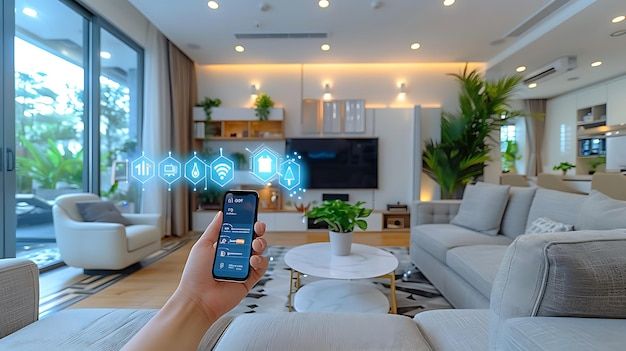
The future of smart homes isn’t about controlling everything through an app. It’s about homes that respond naturally.
By 2026, lighting, temperature, and energy use will adjust automatically based on daily patterns. Security systems will operate passively, providing peace of mind without constant alerts.
Smart homes will succeed because they require less attention, not more.
Personalized Digital Learning in Daily Life
Learning will no longer be limited to classrooms or formal training. In 2026, Americans will use digital learning tools regularly to adapt to changing careers and personal goals.
AI-driven platforms will personalize lessons, recommend content, and adjust to individual pace. Learning will feel manageable, even for people with busy schedules.
Education will become something people return to daily, not occasionally.
Augmented Reality for Practical Tasks
Augmented reality will move beyond entertainment and into everyday usefulness.
By 2026, Americans will use AR to visualize products before purchasing, follow guided instructions, and navigate unfamiliar environments. This technology will reduce mistakes and increase confidence in daily tasks.
AR will be valuable because it saves time and effort.
Voice Technology in Everyday Transportation
Voice-controlled systems will become standard in vehicles. By 2026, Americans will interact with their cars more naturally, managing navigation, communication, and updates without distraction.
The focus will be safety and simplicity. Voice technology will support drivers without demanding attention.
For commuters, this will quickly become an essential daily feature.
Digital Security as a Daily Expectation
As digital life expands, protection will become invisible but constant.
In 2026, cybersecurity tools will be integrated into daily technology, monitoring threats and protecting identities automatically. Americans will expect security to function quietly in the background.
Safety will no longer feel reactive. It will feel built in.
Technology Designed for Mental Balance
Digital overload has forced a shift in how people interact with content.
By 2026, Americans will rely on AI tools that filter information intentionally, reducing exposure to stress-inducing content. These tools will help people regain control over their attention.
Technology will begin to support mental well-being rather than compete for it.
Final Thought
The most important technologies of 2026 won’t be the ones that impress at launch events. They’ll be the ones people use without thinking.
Daily life will be shaped by tools that feel natural, supportive, and quietly reliable. Technology won’t demand attention. It will earn trust.