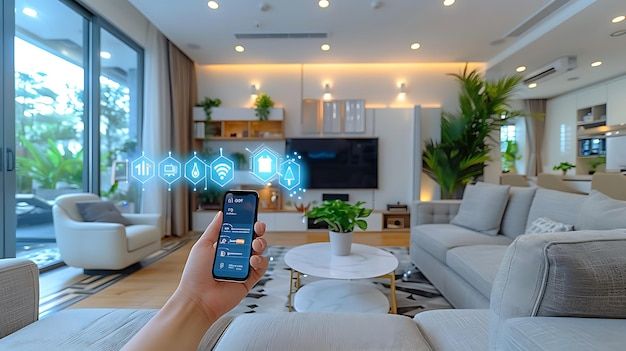

Not long ago, the idea of talking to your house felt futuristic, maybe even a little silly. Today, it’s normal. We ask our phones to set reminders, our speakers to play music, and our thermostats to adjust themselves before we even realize we’re cold. What’s changed isn’t just the technology—it’s how seamlessly it has slipped into everyday life. AI lifestyle assistants and smart home systems are no longer flashy gadgets. They’re quiet helpers, working in the background and subtly reshaping how people live, work, and relax.
From Smart Devices to Smart Living
Early smart home technology focused on individual tasks: turning lights on and off, setting alarms, or playing music on command. Useful, yes—but limited. What’s different now is integration. AI assistants don’t just respond; they learn. They notice patterns. They adapt.
Your home can now recognize when you usually wake up, which rooms you spend the most time in, and how warm or cool you like things at different times of day. Instead of manually controlling every detail, people are starting to experience homes that anticipate their needs. The technology doesn’t demand attention—it quietly supports daily routines.
This shift marks a move from “smart devices” to smart living.
Convenience Without the Mental Load
One of the biggest impacts of AI lifestyle assistants is something you barely notice at first: reduced mental clutter. Small decisions add up—adjusting lights, checking the weather, remembering appointments, managing grocery lists. AI systems absorb many of those micro-tasks.
A voice command can reorder household basics. A reminder pops up before you forget an important call. Lights dim automatically in the evening, signaling your brain that it’s time to slow down. These are tiny changes, but together they create a sense of ease.
People aren’t using AI to do more. They’re using it to think less about routine tasks—and that’s powerful.
A More Personalized Home Experience
AI assistants thrive on personalization. Over time, they begin to reflect the people living in the space. Music suggestions align with your taste. Morning briefings focus on what actually matters to you. Even lighting and temperature adjust based on your habits.
This customization has made smart homes feel less mechanical and more human. Instead of forcing people to adapt to technology, technology adapts to people. That’s why adoption has grown beyond tech enthusiasts to families, remote workers, and older adults.
For many, the smart home isn’t about luxury—it’s about comfort and familiarity.
The Quiet Role of AI in Wellness
One of the most interesting shifts is how AI assistants are influencing wellness, often without being labeled as “health tech.” Smart homes can support better sleep by adjusting lighting and temperature at night. They can encourage healthier routines through reminders to move, hydrate, or wind down.
For people working from home, AI helps separate work and personal life—turning off notifications at a set time, changing lighting to signal the end of the workday, or playing calming sounds in the evening. These small environmental cues can have a real effect on mood and stress levels.
The technology doesn’t replace self-care—but it supports it in subtle, consistent ways.
Privacy, Trust, and the Learning Curve
Of course, this transformation hasn’t been without hesitation. The idea of AI listening, learning, and storing information raises understandable concerns. People are more aware of privacy than ever, and trust plays a huge role in how comfortable someone feels inviting AI into their home.
That’s why many users are becoming more selective. They choose which features to enable, review data settings, and set clear boundaries. As a result, AI assistants are evolving too—offering more transparency and control.
The relationship between people and smart technology is still being defined, but it’s becoming more thoughtful and intentional.
Not Flashy—Just There
What’s most striking about AI lifestyle assistants is how unremarkable they’ve become. There’s no big “wow” moment anymore. Instead, there’s a quiet realization one day: things just work better.
You notice it when your home feels ready for you, when routines flow smoothly, when small annoyances disappear. The technology fades into the background—and that’s exactly the point. The most successful AI doesn’t demand attention. It supports life as it’s actually lived.
Three Tips for Using AI Assistants Effectively
1. Start small. Focus on one or two daily frustrations—lighting, reminders, or scheduling—and build from there. You don’t need to automate everything at once.
2. Customize intentionally. Take time to adjust settings and routines. The more personal your setup, the more useful your assistant becomes.
3. Set boundaries early. Decide what data you’re comfortable sharing and which features you don’t need. A smart home should feel supportive, not invasive.
One Question for You
If your home could anticipate one thing perfectly every day, what would you want it to get right?
Conclusion
AI lifestyle assistants aren’t changing everyday life through dramatic breakthroughs—they’re doing it through quiet consistency. By handling small tasks, learning personal habits, and shaping our environments, smart home technology is redefining what comfort and convenience look like.
As these systems become more intuitive and less visible, they’re shifting expectations. A home is no longer just a place you live—it’s a space that responds, adapts, and supports you. And while the transformation may be subtle, its impact on daily life is anything but small.