
Introduction: Generative AI Goes Mainstream
Generative AI is no longer a futuristic concept—it’s actively reshaping how we live, work, and create. From AI that writes essays, generates art, and composes music to systems that design websites or even code software, this technology is moving at lightning speed. Across the Americas, individuals and businesses are experimenting with tools like ChatGPT, DALL·E, MidJourney, and other AI models to streamline creativity and productivity. The implications are massive: suddenly, tasks that once took hours—or even days—can be done in minutes, leaving more room for experimentation and innovation. Silicon Valley and Boston in the U.S. lead the charge in AI startups, while Toronto, Mexico City, and São Paulo are emerging as innovation hubs where local companies are applying AI to everything from marketing campaigns to game development. In short, generative AI is no longer just a novelty for tech enthusiasts—it’s a tool that’s accessible to anyone willing to explore its potential.
This surge in adoption is fueled by three key factors. First, cloud computing and AI-as-a-service platforms have made these tools affordable and scalable. Second, the rise of multimodal AI, capable of generating text, images, and video in integrated workflows, allows creators to work across mediums seamlessly. Third, the cultural fascination with “AI creativity” has captured the public imagination, turning generative AI into a mainstream conversation in news outlets, social media, and classrooms. For Americans and Latin Americans alike, this means that digital literacy now includes an understanding of AI tools—those who adapt quickly gain a competitive advantage, whether in entrepreneurship, education, or the arts.
Creativity Unleashed: Opportunities and Challenges
One of the most exciting aspects of generative AI is its ability to unlock creativity. Marketing teams in New York use AI to generate campaign visuals in seconds, while musicians in São Paulo experiment with AI-driven compositions that blend human emotion with algorithmic precision. Artists can explore new styles without mastering complex software, writers can brainstorm ideas faster, and filmmakers can visualize scenes with AI-generated storyboards. In classrooms, students are using AI to create interactive learning experiences, such as immersive historical simulations or custom-designed science experiments.
Yet, creativity comes with challenges. Copyright concerns are rising as AI produces content inspired by existing work, sparking debates about intellectual property and originality. There’s also the ethical question: should AI-generated content be labeled, and how do we prevent misuse? In Latin America, where copyright laws are sometimes less enforced than in the U.S., these concerns are particularly relevant for emerging artists and entrepreneurs trying to monetize their work responsibly. Despite these hurdles, generative AI offers an unprecedented opportunity: to amplify human creativity rather than replace it, enabling creators to experiment, iterate, and innovate faster than ever before.
Workforce Evolution and Automation
Generative AI is not just reshaping creative industries—it’s transforming work itself. AI systems are now capable of drafting reports, generating code, designing products, and even handling customer support tasks. For businesses across the Americas, this means faster turnaround times and reduced operational costs. Startups in Toronto are developing AI-powered virtual assistants that can handle entire administrative workflows, while companies in Miami are using AI for predictive marketing and data visualization. Even traditional industries, such as finance, logistics, and healthcare, are adopting AI tools to increase efficiency and reduce human error.
However, this shift raises important workforce questions. Employees must learn to collaborate with AI effectively, gaining skills in prompt engineering, AI supervision, and digital ethics. Upskilling programs and AI literacy initiatives are essential to prevent a widening skills gap. The good news? Those who embrace generative AI can enhance productivity, creativity, and decision-making, creating new opportunities across sectors. Businesses in Latin America are particularly keen to adopt AI in order to compete on a global scale, making workforce adaptation a critical part of regional economic growth.
The Future of Human-AI Collaboration
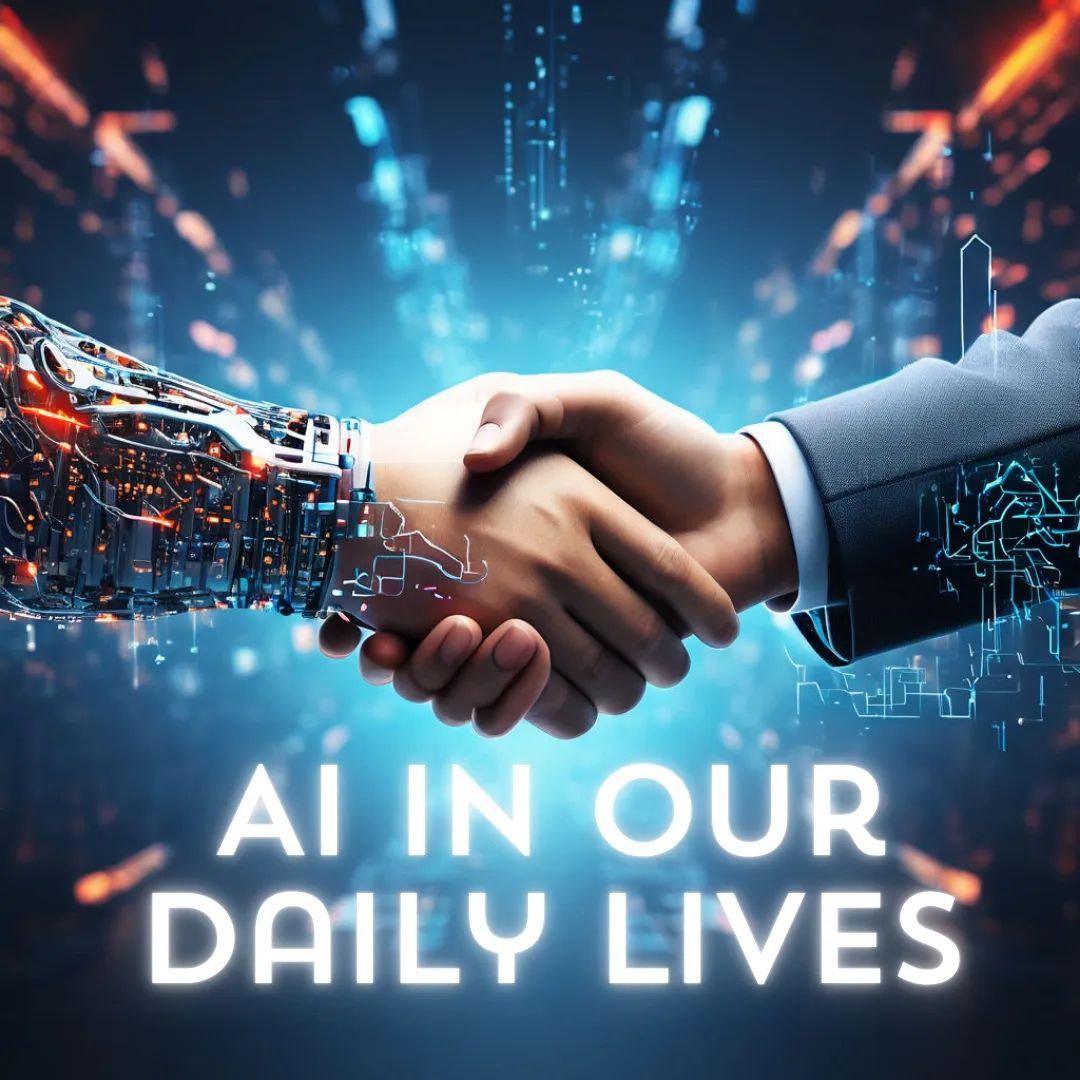
Looking ahead, the most impactful use of generative AI may not be replacing humans, but collaborating with them. AI can handle repetitive or time-consuming tasks, leaving humans free to focus on strategy, critical thinking, and uniquely human creativity. Imagine a writer drafting a novel with an AI co-author, a designer creating a brand identity with AI-generated prototypes, or a teacher curating personalized learning experiences for each student with AI assistance. Across the Americas, companies and educational institutions are experimenting with these hybrid workflows, creating new models for productivity and innovation.
Generative AI also has the potential to democratize creation. People who previously lacked access to expensive tools or specialized training can now bring their ideas to life. From virtual fashion designers in Mexico to indie game developers in Canada, the technology lowers barriers to entry and levels the creative playing field. Still, society must navigate privacy, ethical use, and potential job displacement thoughtfully to ensure that the AI revolution benefits everyone. If handled responsibly, generative AI can become an enduring force for human empowerment, creativity, and connection across the Americas.