A decade ago, technology was still seen as something specialized — the domain of engineers, gamers, and enthusiastic early adopters. Today, it has become a lifestyle. Smart devices are in our homes, on our wrists, in our cars, and integrated into nearly every routine. The average person now interacts with technology not intentionally, but automatically: turning on lights with a voice command, using mobile apps for banking and healthcare, asking digital assistants for weather updates, relying on navigation systems to avoid traffic. The line between the digital and physical world is disappearing.
This shift didn’t happen overnight. As technology grew more intuitive and design-focused, it began solving everyday challenges: saving time, simplifying tasks, improving communication, and keeping people connected. Even older generations who once resisted smartphones now rely on them to stay in touch with family, access medical services, or manage home security. Technology has become a tool of inclusion — not just sophistication.
The most powerful change is psychological: technology now shapes how we think, how we structure our days, and how we interact with the world. We no longer wonder whether to embrace it, but rather how to use it wisely as part of a balanced lifestyle.
Smart Homes, Smart Living: Automation for Real People
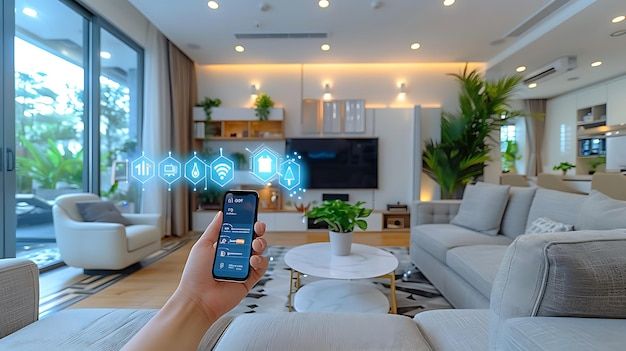
Smart homes once felt like a luxury reserved for tech-obsessed homeowners. Today, they are shaping mainstream living. Automated thermostats adjust room temperature before we wake. Voice-controlled lights turn off as we leave. Robot vacuums clean while we work. Smart doorbells alert us to visitors. Refrigerators help track groceries and expiration dates. The list continues to grow.
What makes smart homes so appealing is simplicity. Once a device is set up, it operates quietly in the background, removing small tasks from daily life. Over time, those small efficiencies add up: lower energy bills, better home security, improved accessibility for older adults or people with disabilities, and more comfort where we need it most — inside our own homes.
Convenience is only the beginning. New home technology focuses increasingly on personalization. Devices learn habits and routines, adapting to unique household rhythms. They anticipate needs and offer suggestions to optimize comfort. The home becomes a responsive environment, making life smoother and more enjoyable.
For the average user, the benefits are easy to feel: less stress, less guessing, and more control. Every connected upgrade — from a smart plug to a fully automated ecosystem — offers a glimpse of a future where our homes truly work for us.
Artificial Intelligence for Everyday Tasks: Help When You Need It
Artificial intelligence is no longer a distant sci-fi concept — it’s in our pockets, homes, and workflows. AI today takes the form of tools that help organize schedules, remind us of commitments, assist with shopping decisions, filter messages, and provide personalized entertainment recommendations. It allows people to accomplish more in less time, often with less effort.
AI assistants can help with writing, managing household tasks, researching information, and even learning new skills. Voice technologies make digital interactions more human-like and more accessible, especially for people who prefer speaking over typing. Visual AI helps identify objects, translate languages instantly, and guide those with visual impairments. Healthcare AI supports wellness by tracking activity levels, monitoring heart rates, and offering early warnings based on patterns.
What makes AI impactful for everyday people is its subtlety. Most of the time, users don’t even realize AI is working — it quietly enhances experiences behind the scenes. Predictive text, spam filters, smart navigation, and personalized search results are all forms of AI shaping modern routines.
And while the future promises even greater innovation, the biggest transformation is already here: AI has become an everyday companion. It turns uncertainty into clarity, complexity into simplicity, and questions into answers — all within seconds.
Balancing Innovation with Well-Being: The Human Side of Tech
As technology becomes more integrated into daily life, people are becoming more conscious of how and when they use it. There is growing awareness that constant connectivity can blur boundaries between work and rest. Notifications, social feeds, and digital entertainment can easily extend screen time beyond healthy limits.
This is where digital well-being enters the conversation. Many people are practicing more mindful tech habits: setting screen-free hours, limiting app notifications, prioritizing real-world interactions, or using devices to improve health rather than distract from it. Technology companies are developing built-in tools to monitor usage patterns, encourage breaks, and support balance.
Privacy and data security remain equally important. More devices means more personal information traveling through digital channels. Consumers are becoming smarter about passwords, permissions, and which services they trust. Transparency and responsibility are now essential principles for technology design — not optional features.
The future of technology isn’t just about innovation; it’s about creating systems that support human well-being. The goal is not to replace people, but to empower them — reducing friction, improving productivity, and opening more time for what really matters: relationships, passions, and personal growth.
A Future Designed Around People
Modern technology is no longer just an accessory — it is a foundation of contemporary living. It enhances safety, comfort, knowledge, and connection. It helps us stay independent as we age, stay organized under pressure, and stay connected across distances.
As new advancements emerge, the world will continue to evolve — but what stays constant is the human experience at the center. The best technologies aren’t those that overwhelm with complexity, but those that quietly improve life in meaningful ways.
The connected future is here, and it belongs to everyone. Not only to the tech-savvy or the early adopters — but to the average person who simply wants life to feel a little easier, a little smarter, and a little more enjoyable each day. Technology has become the bridge between our needs and our potential. When used thoughtfully, that bridge leads somewhere exciting: toward a future where innovation supports humanity, not the other way around.