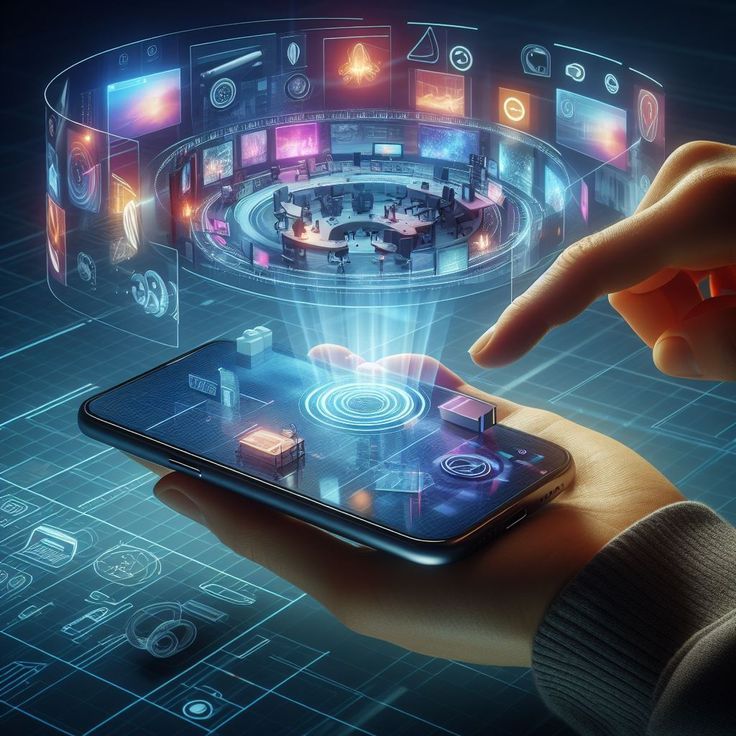
Technology has never moved faster, and by 2026, many digital innovations once considered futuristic are becoming part of everyday life for Americans coast to coast. From how we work and learn to how we stay healthy and connected, tech isn’t just transforming convenience—it's reshaping daily routines, habits, and expectations. What was cutting-edge yesterday is becoming ordinary tomorrow.
Here’s a look at the top tech innovations Americans are likely to use daily in 2026—tools and systems that will change everyday life in meaningful ways.
Personalized AI Assistants That Go Beyond Scheduling
Artificial intelligence has been steadily integrating into daily life, but by 2026, AI assistants will become more personalized, proactive, and context-aware than ever before.
These next-generation helpers will do more than remind you of appointments. They’ll manage tasks before you even think to ask. Imagine a system that:
anticipates travel needs by checking traffic and weather,
suggests healthy meals based on your calendar and dietary preferences,
adjusts your smart home settings based on your mood or sleep patterns,
and even helps you plan your day for ideal productivity and wellbeing.
Many Americans will rely on these AI companions seamlessly integrated into smartphones, smart speakers, and wearables. They’ll act as personal planners, health advisors, and life organizers all in one.
The difference in 2026 is the shift from reactive to proactive AI—technology that learns from your habits and supports your choices rather than simply executing commands.
Wearables That Monitor More Than Steps
Wearable technology has been evolving rapidly, but by 2026, these devices will go far beyond counting steps and tracking heart rate.
Advanced wearables will combine sensors, machine learning, and real-time data to monitor a wide variety of health metrics, including:
continuous blood glucose levels,
hydration and electrolyte balance,
sleep quality and circadian rhythms,
stress levels via heart rate variability,
and even early signs of illness before symptoms appear.
This shift brings true preventive health care to everyday life. Rather than waiting for annual check-ups, Americans will be able to spot patterns and get personalized health insights every day.
For many people, wearables will become as indispensable as a wallet or keys—constantly informing decisions about food, exercise, rest, and medical care. The future of health tech is predictive, personalized, and preventive, empowering individuals to take charge of their wellness like never before.
Immersive Home and Workspaces with XR (Extended Reality)
Extended Reality (XR), including virtual reality (VR) and augmented reality (AR), is poised to redefine how Americans experience both work and leisure.
By 2026, XR will be commonplace in daily life, offering:
virtual collaboration spaces that make remote work feel more interactive and social,
immersive learning environments for education at all ages,
AR overlays for daily tasks like navigation, home DIY projects, and fitness coaching,
virtual social spaces where friends and family meet in shared digital environments.
Instead of traditional video calls or flat screens, people may step into shared XR environments for meetings, creative collaboration, and even casual hangouts.
In education, students no longer need to imagine historical events or scientific processes—they’ll experience them in 3D, enhancing comprehension and engagement.
As these technologies become more affordable and user-friendly, the daily American routine will increasingly blend physical and digital realities in ways that feel natural and intuitive.
Smart Home Ecosystems That Know You
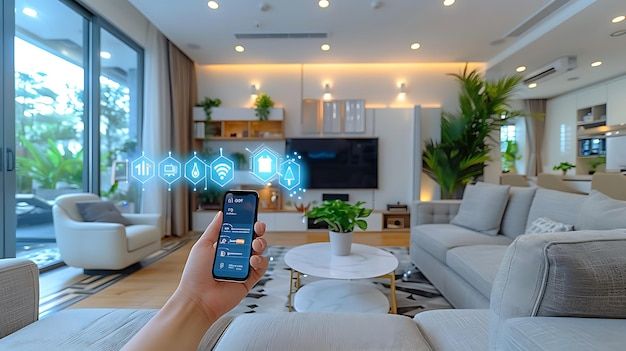
Smart homes have been growing in popularity, but by 2026, they’ll be smarter in ways that go far beyond turning lights on and off with a voice command.
What’s new is adaptive intelligence—smart systems that learn family routines, preferences, and patterns to anticipate needs. For example:
thermostats that adjust temperatures automatically based on occupants' comfort,
voice-controlled kitchens that suggest recipes based on ingredients on hand,
lighting that supports your circadian rhythm for better energy and sleep,
energy management systems that reduce waste and lower bills without manual input.
Smart home ecosystems will bring simplicity and efficiency to daily life, making routines smoother while saving time and energy.
This isn’t about gadgets—it’s about systems that feel intuitive. By learning from users, smart homes will eliminate repetitive chores and bring a new level of comfort and efficiency to everyday living.
On-Demand Health and Wellness Platforms
Healthcare delivery is also changing, and by 2026, many Americans will rely on on-demand health and wellness platforms as part of routine care.
These platforms will offer:
telehealth appointments with doctors, specialists, and therapists,
AI-driven symptom checkers that guide next steps,
virtual fitness coaching and nutrition planning,
mental health support through digital therapy tools,
prescription management and medication reminders.
Convenience will no longer be an afterthought—it will be central. Accessing care will become as easy as ordering food online, which could lead to earlier interventions and better health outcomes.
For millions of people with busy schedules or limited mobility, on-demand platforms will remove barriers to consistent care and put wellness into their daily rhythm.
A Question to Consider
With so much innovation on the horizon, here’s a question worth asking yourself:
Which tech innovation do you think will make the biggest positive impact on your daily life in 2026—and how ready are you to adopt it?
Your answer might reveal how you view the balance between convenience, privacy, and lifestyle priorities in a tech-driven future.