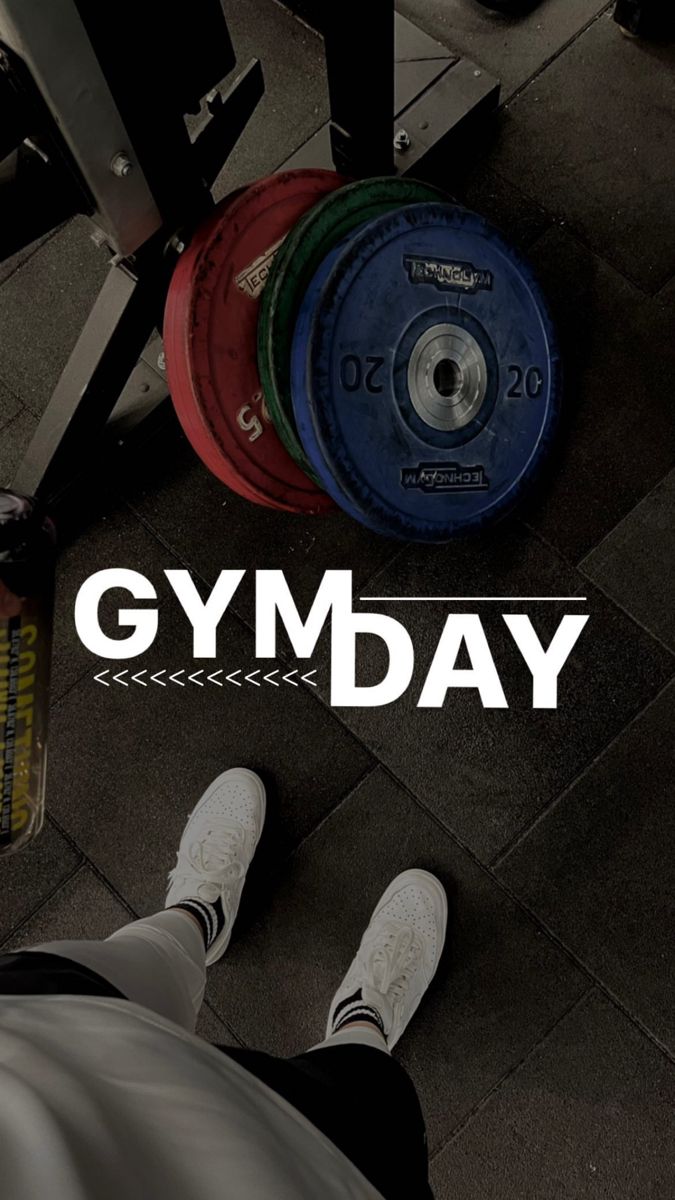
Instagram has become one of the most influential platforms shaping fitness culture in the United States. What started as a space for sharing workout photos has evolved into a powerful source of motivation, education, and trends. Millions of Americans follow fitness influencers for workout ideas, nutrition tips, and lifestyle inspiration. As a result, Instagram fitness trends often reflect broader changes in how people approach health, exercise, and body image.
Short, High-Intensity Workouts
One of the most popular fitness trends on Instagram is short, high-intensity workouts. Many influencers promote workouts that last 15 to 30 minutes and require little or no equipment. High-Intensity Interval Training (HIIT) is especially popular because it fits into busy American lifestyles.
These workouts appeal to people who want quick results without spending hours at the gym. But an important question remains: Are short workouts truly effective for long-term fitness, or do they oversimplify the process? While experts agree that HIIT can be effective, consistency and proper form are still essential for real progress.
Home Workouts and Minimal Equipment
Home workouts have continued to dominate Instagram fitness content, especially since the pandemic. Resistance bands, dumbbells, and bodyweight exercises are frequently featured because they are affordable and accessible. Many American users appreciate the flexibility of exercising at home without a gym membership.
This trend has made fitness more inclusive, allowing people of different fitness levels to participate. However, it also raises a question: Can social media workouts provide enough guidance to prevent injury, especially for beginners? Without professional supervision, users must be cautious and informed.
Fitness Challenges and Transformation Posts
Instagram fitness challenges, such as 30-day ab challenges or squat challenges, attract millions of participants. These challenges often include daily workout routines and progress updates. Transformation photos—showing “before and after” results—remain one of the most engaging types of content on the platform.
While these posts can be motivating, they also spark debate. Do transformation images inspire healthy habits, or do they create unrealistic expectations? In the U.S., mental health professionals increasingly warn about the pressure such images can place on body image and self-esteem.
Wellness, Recovery, and Mindful Movement
In recent years, Instagram fitness trends have shifted beyond intense workouts to include wellness and recovery. Stretching routines, yoga flows, mobility exercises, and foam rolling are now widely shared. American fitness influencers often emphasize rest days, sleep, and stress management as essential parts of a healthy lifestyle.
This trend reflects a broader understanding of fitness as overall well-being rather than just physical appearance. It encourages users to listen to their bodies and prioritize long-term health over quick results.
Nutrition Trends and “What I Eat in a Day” Posts
Nutrition content is a major part of Instagram fitness culture. Popular trends include “What I eat in a day” videos, high-protein meal ideas, and meal prep tips. Many American influencers promote balanced diets that support active lifestyles, often focusing on whole foods.
However, nutrition advice on social media can be controversial. How reliable is fitness advice from influencers without medical or nutritional qualifications? Experts recommend that users approach online nutrition content critically and seek professional guidance when needed.
The Role of Influencers and Sponsorships
Fitness influencers play a significant role in shaping trends, but many also promote supplements, workout programs, and fitness apparel. Sponsored content is common, and while it can introduce useful products, it also raises concerns about transparency.
This leads to another important question: How can users distinguish between genuine fitness advice and marketing? In the U.S., the Federal Trade Commission requires influencers to disclose paid partnerships, but users still need to evaluate content carefully.
Conclusion
Popular Instagram fitness trends have transformed how Americans engage with health and exercise. From quick home workouts to wellness-focused routines, these trends offer motivation and accessibility. However, they also come with challenges related to misinformation, body image, and unrealistic expectations. By approaching Instagram fitness content with awareness and balance, users can benefit from inspiration while protecting their physical and mental well-being.