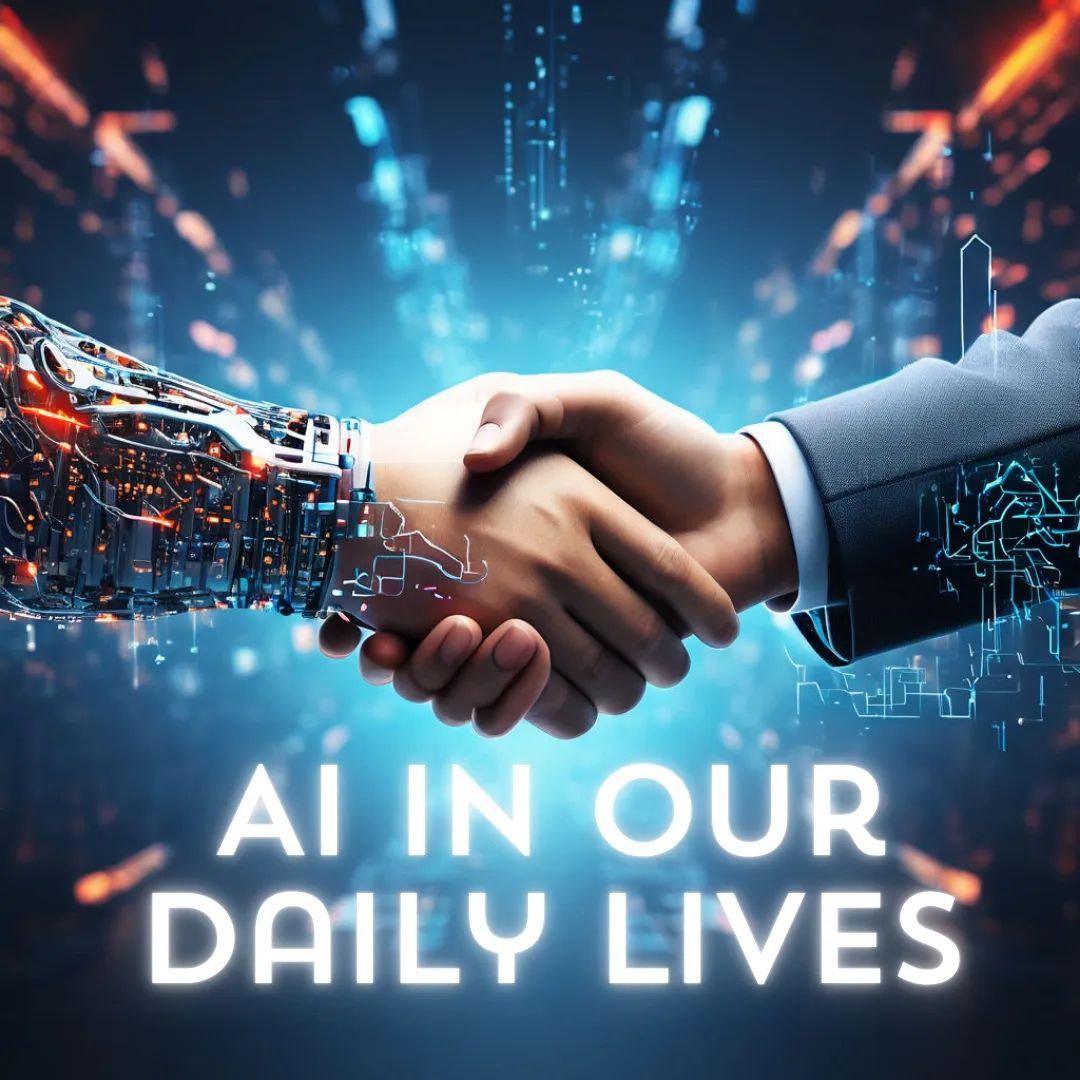

Artificial intelligence (AI) is no longer a distant concept confined to research labs or science fiction. In the United States, it has quickly become a tangible part of everyday life, influencing how people work, communicate, and manage their homes. From intelligent personal assistants to self-driving cars, AI technologies are reshaping routines in ways that were unimaginable just a decade ago. The integration of AI into daily life is not just about convenience—it is redefining the boundaries of human productivity, creativity, and decision-making. Whether in workplaces, homes, or public spaces, AI’s impact is becoming increasingly visible, offering both exciting opportunities and complex challenges for Americans.
AI in the Workplace: Efficiency and Innovation
One of the most noticeable areas where AI is making a difference is the workplace. Companies across industries are adopting AI-powered tools to improve efficiency, reduce costs, and streamline decision-making. In offices, AI-driven software can handle routine administrative tasks, such as scheduling meetings, sorting emails, or managing large datasets. In manufacturing, AI robots optimize production lines and reduce errors, while in retail, predictive algorithms help businesses anticipate customer demand and manage inventory more effectively. Beyond automation, AI is also augmenting human creativity: marketing teams use AI to generate ad copy or design concepts, and financial analysts rely on AI to detect trends and assess risks. While some fear job displacement, many experts argue that AI allows workers to focus on more strategic and complex tasks, transforming the nature of employment rather than eliminating it.
AI at Home: Smart Living and Everyday Convenience
AI has also become a fixture in American homes, changing the way people interact with technology and manage daily routines. Smart home devices powered by AI, such as voice-activated assistants, thermostats, and security systems, offer unparalleled convenience. For example, homeowners can adjust heating, lighting, and even grocery lists using simple voice commands. AI-driven appliances, from robotic vacuum cleaners to smart refrigerators, learn user preferences and automate repetitive chores, giving people more free time to focus on leisure or work. Additionally, AI has transformed entertainment: streaming services recommend movies and shows based on viewing habits, and music apps curate personalized playlists. This integration of AI into home life not only improves efficiency but also creates personalized experiences, tailoring technology to individual lifestyles in ways that were previously impossible.
Transportation and Mobility: AI on the Move
Transportation in the U.S. is another sector undergoing dramatic changes due to AI. Self-driving vehicles, while not yet fully mainstream, are being tested and deployed in controlled environments, promising safer and more efficient travel. AI-powered navigation apps optimize routes in real time, helping commuters avoid traffic and reduce travel time. In logistics, AI is revolutionizing delivery services, enabling companies like Amazon and FedEx to predict demand, manage fleets, and streamline last-mile deliveries. Public transit systems also benefit from AI, with predictive maintenance and scheduling improving reliability and reducing delays. These advancements illustrate how AI is not only transforming individual mobility but also reshaping the infrastructure and operations of urban transportation, potentially reducing accidents, emissions, and congestion in the long term.
Challenges and Ethical Considerations
Despite its many benefits, the rise of AI in everyday life brings significant challenges and ethical questions. Privacy concerns are paramount, as AI systems collect and analyze vast amounts of personal data, often without users fully understanding how it is used. There are also questions about algorithmic bias, particularly in areas like hiring, lending, and law enforcement, where AI decisions can inadvertently reinforce existing inequalities. Moreover, as AI assumes more responsibilities in daily life, Americans face the challenge of balancing convenience with security and accountability. Policymakers, technology companies, and society at large must navigate these issues carefully, establishing frameworks to ensure that AI enhances human life without compromising fairness, transparency, or personal autonomy. The ongoing dialogue around ethics and regulation will shape the future of AI in the U.S., determining whether it becomes a tool for collective benefit or a source of unintended consequences.
In conclusion, artificial intelligence is profoundly changing everyday life in the United States, from the workplace to the home, from transportation to personal entertainment. Its ability to automate tasks, personalize experiences, and optimize decisions is transforming routines and reshaping expectations about what technology can do. At the same time, it challenges Americans to think critically about privacy, ethics, and the future of work. As AI continues to evolve, its presence in daily life will likely deepen, offering both remarkable opportunities and complex responsibilities that will define the American experience in the years to come.