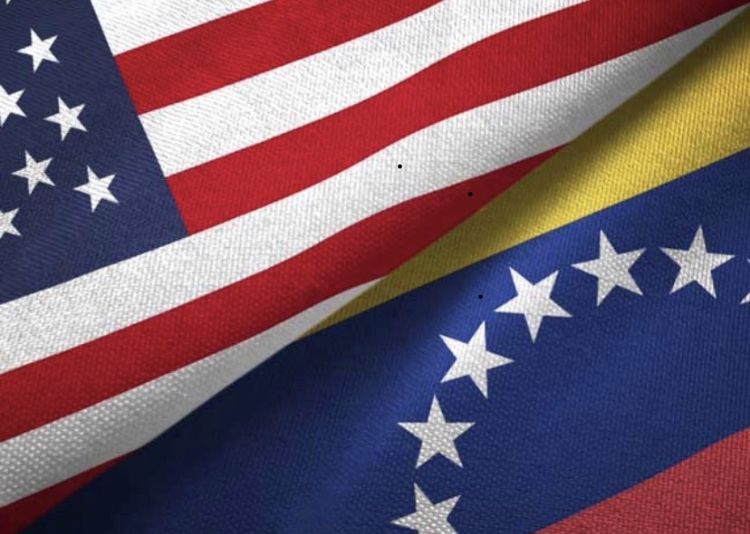
Relations between the United States and Venezuela have entered one of their most volatile phases in modern history. What began years ago as ideological rivalry and diplomatic estrangement has gradually evolved into a multidimensional conflict involving sanctions, energy politics, regional security, and now direct military confrontation. The events unfolding in early 2026 represent a critical turning point, not only for both countries but for stability across Latin America.
For more than two decades, the bilateral relationship has been shaped by deep mistrust. Washington has repeatedly accused Caracas of authoritarian governance, human rights violations, and electoral manipulation. Venezuelan leaders, in turn, have portrayed U.S. policy as an attempt to undermine national sovereignty and impose external control. This cycle of accusation and retaliation steadily eroded any remaining foundation for cooperation.
Sanctions and Economic Pressure
Economic sanctions have been one of the central tools of U.S. policy toward Venezuela. Over time, these measures expanded to target key sectors of the Venezuelan economy, particularly oil production and exports. The stated goal was to pressure the government into political reform and democratic concessions. In practice, the sanctions significantly restricted Venezuela’s access to international markets and financial systems.
The Venezuelan government has consistently argued that sanctions worsened an already severe economic crisis, contributing to shortages of food, medicine, and basic services. Millions of Venezuelans left the country over the past decade, creating one of the largest migration crises in the region. While responsibility for the collapse remains heavily debated, there is little dispute that economic pressure deepened social and humanitarian challenges.
Energy Politics and Missed Openings
Despite political hostility, Venezuela’s vast oil reserves have repeatedly made it relevant to U.S. strategic interests. Periods of global energy instability created brief openings for limited engagement, including discussions on easing certain restrictions in exchange for political concessions. These moments suggested that pragmatism might eventually override ideology.
However, such efforts never led to sustained improvement. Mutual skepticism, domestic political pressures in both countries, and a lack of trust undermined attempts at compromise. Each side remained convinced that the other was acting in bad faith, reinforcing a stalemate that grew more fragile over time.
Rising Security Tensions
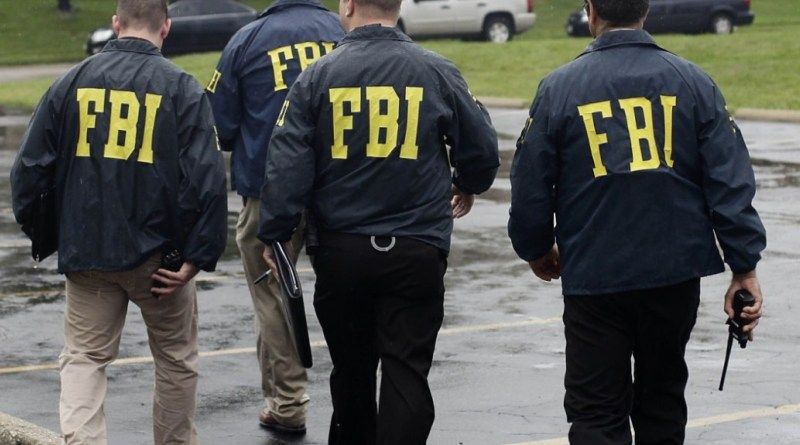
By 2025, the relationship had shifted from economic confrontation toward open security concerns. U.S. officials accused Venezuela of facilitating drug trafficking networks and tolerating armed groups operating within its territory. Venezuela rejected these claims, describing them as fabrications designed to justify foreign intervention.
Military activity in the Caribbean region increased, with heightened naval presence and defensive preparations. Rhetoric on both sides became sharper, and diplomatic channels grew quieter. The absence of effective communication significantly increased the risk of escalation driven by miscalculation rather than deliberate strategy.
January 2026: A Turning Point
The situation reached a dramatic peak in early January 2026, when explosions and military activity were reported in and around Caracas. Venezuelan authorities immediately described the events as an act of U.S. military aggression. U.S. leaders characterized the operation as a targeted action tied to regional security and law enforcement objectives.
Conflicting narratives quickly emerged, including claims regarding the status of senior Venezuelan officials. Regardless of the precise details, the events marked a clear shift. For the first time in years, the confrontation moved beyond sanctions and threats into the realm of direct force, fundamentally altering the dynamics of the conflict.
International and Regional Reactions
The international response has been divided. Some governments emphasized the importance of sovereignty and warned against the use of military force. Others expressed understanding or support for U.S. actions, citing Venezuela’s long-standing political and security issues.
For neighboring countries, the crisis raised immediate concerns. Latin America has already absorbed millions of Venezuelan migrants, and any escalation risks triggering new waves of displacement. Regional stability, already fragile in many areas, could be further strained by prolonged confrontation.
Strategic Implications for the United States
From a U.S. perspective, the crisis reflects broader strategic priorities in the Western Hemisphere. Washington increasingly views regional instability through the lenses of transnational crime, authoritarian influence, and geopolitical competition. Venezuela’s alliances and defiance of U.S. influence place it at the center of these concerns.
At the same time, direct involvement carries significant risks. Military action, even if limited, can produce unintended consequences and long-term commitments. Domestic and international scrutiny of U.S. actions is likely to intensify as the situation evolves.
<3h>Venezuela’s Uncertain Future
For Venezuela, the stakes are exceptionally high. Years of economic hardship, political polarization, and institutional decay have weakened the country’s resilience. Any sustained conflict threatens to further damage infrastructure, worsen humanitarian conditions, and deepen internal divisions.
Even among supporters of the government, uncertainty is growing. The possibility of prolonged instability raises questions about governance, recovery, and Venezuela’s role in the international system. The country’s future direction remains deeply unclear.
Conclusion: Diplomacy or Deeper Conflict
The U.S.–Venezuela crisis represents the cumulative failure of diplomacy, trust, and compromise. Whether this moment becomes a catalyst for renewed engagement or a prelude to deeper conflict will depend on decisions made in the coming weeks.
What is certain is that the consequences will extend far beyond the borders of either country. The outcome will shape regional security, migration patterns, and geopolitical alignments in the Americas for years to come.