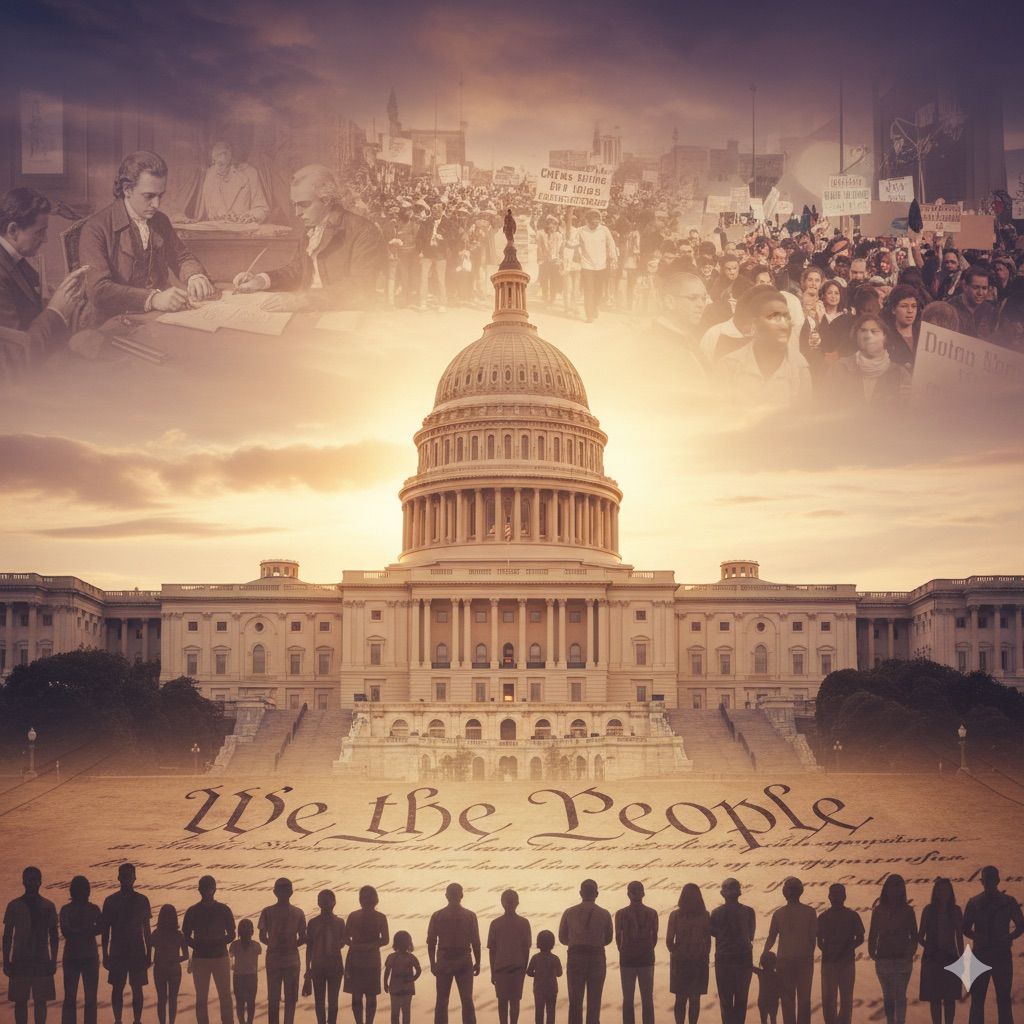

Policy changes often sound distant or abstract, discussed in government buildings or debated on cable news panels. Yet many of these decisions quietly shape everyday life in ways people may not immediately notice. From how much we pay at the grocery store to how we commute to work, shifts in public policy can ripple through daily routines, household budgets, and long-term plans. Understanding these changes helps individuals adapt and make informed choices rather than being caught off guard.
Economic Policies and Household Finances
One of the most noticeable impacts of policy changes is on personal finances. Adjustments to income tax brackets, payroll taxes, or sales taxes can directly affect take-home pay and spending power. Even minor changes can feel significant to households managing tight budgets. Policies aimed at controlling inflation or adjusting interest rates also influence borrowing costs, credit card debt, and mortgage payments. Meanwhile, changes to minimum wage laws may increase earnings for some workers, while businesses may respond by raising prices or reducing hours, creating mixed effects across the economy.
Healthcare Policies and Access to Care
Healthcare policy plays a critical role in shaping daily life. Changes to insurance regulations, prescription drug pricing, or public healthcare programs can determine whether people seek medical care or delay it. Expanded coverage may encourage preventive care, improving long-term health outcomes. On the other hand, higher deductibles or limited coverage options can lead individuals to avoid doctor visits or skip medications. Even evolving rules around telehealth can make healthcare either more accessible or more complicated for millions of Americans.
Transportation and Daily Mobility
Transportation policies influence how people move through their daily routines. Government decisions about fuel taxes, public transit funding, and infrastructure investment affect commute times and transportation costs. Expanded public transit systems can reduce traffic congestion and make commuting more affordable, while budget cuts may lead to reduced services or higher fares. Policies encouraging electric vehicles through tax incentives and charging infrastructure are also changing how people think about car ownership and long-term transportation costs.
Housing Policies and Cost of Living
Housing is another area where policy changes are deeply felt. Zoning regulations, rent control laws, and affordable housing initiatives shape where people can live and how much they pay. Mortgage rules and interest rate policies affect homebuyers, especially first-time buyers struggling with affordability. When housing costs rise, families may move farther from work, increasing commute times and reducing quality of life. Supportive housing policies, however, can help stabilize communities and ease financial stress.
Education Policies and Long-Term Opportunities
Education policies affect families both immediately and over time. Decisions about school funding, curriculum standards, and student loan programs shape educational quality and accessibility. Changes to student loan repayment plans can significantly impact graduates managing debt while starting careers or families. Policies supporting early childhood education, school meals, or after-school programs can also make daily life easier for working parents while improving outcomes for children.
Environmental Policies and Community Health
Environmental regulations increasingly influence everyday behavior. Policies addressing air and water quality, waste management, and energy use can improve public health and environmental sustainability. Incentives for renewable energy or energy-efficient homes may involve upfront costs but can lead to long-term savings. Over time, these policies shape habits such as recycling, energy conservation, and transportation choices, contributing to healthier communities.
Workplace Policies and Work-Life Balance
Changes in workplace regulations also affect daily life. Policies related to paid family leave, overtime rules, remote work, and worker protections influence how people balance careers and personal responsibilities. Flexible work policies can reduce stress and burnout, while changes to labor laws may affect job security and benefits. These shifts often play a role in major life decisions, from career paths to family planning.
Conclusion: Why Staying Informed Matters
Ultimately, policy changes are not just political debates—they are practical forces shaping everyday experiences. While individuals may not agree with every decision made by policymakers, staying informed allows people to prepare and adapt. Whether it means adjusting a household budget, exploring new transportation options, or making different healthcare choices, understanding policy shifts empowers individuals to navigate daily life with greater confidence. In a constantly evolving world, awareness remains one of the most valuable tools for resilience.