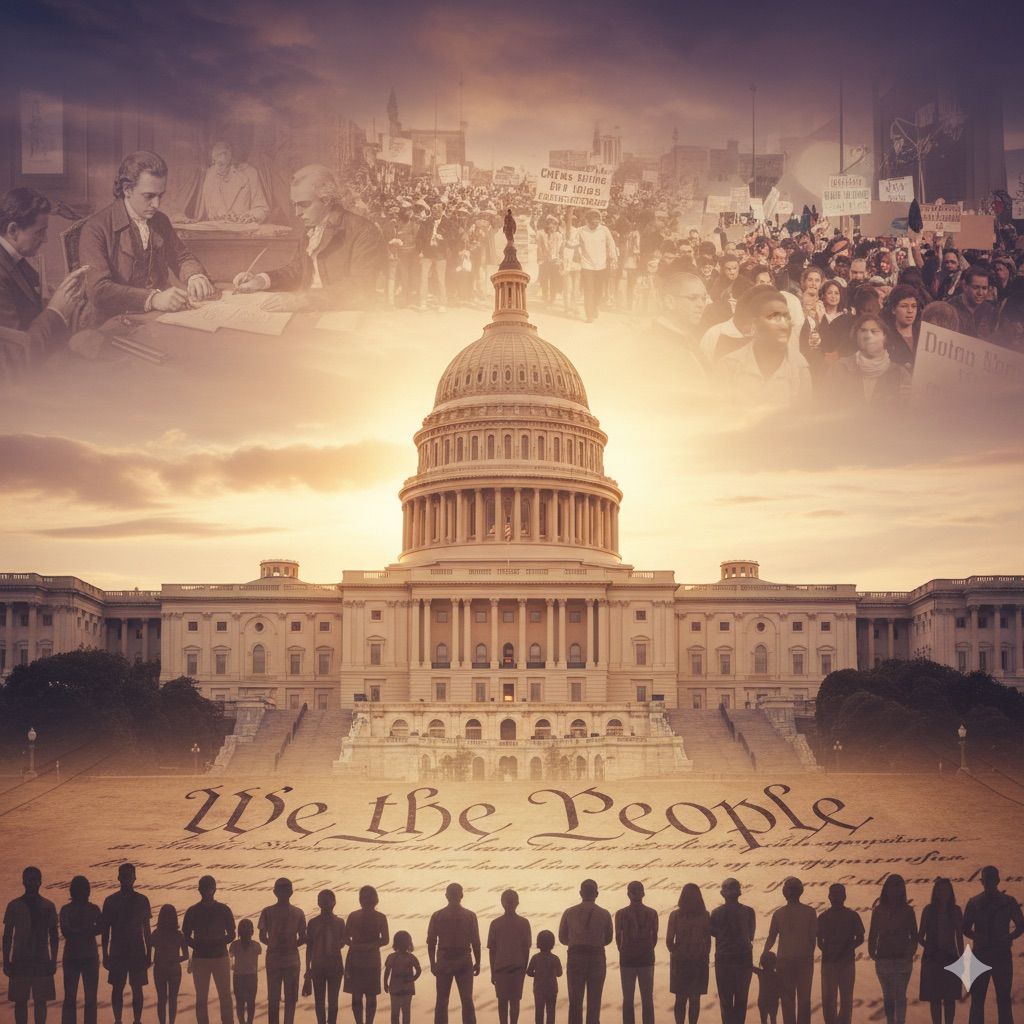

Climate change has become one of the most debated political issues in Washington, D.C. Over the past two decades, discussions about climate policy have increasingly shaped federal legislation, election campaigns, and public opinion. As the United States faces rising temperatures, extreme weather events, and economic challenges linked to climate change, lawmakers continue to argue over how aggressively the federal government should act.
The Role of the Federal Government
One of the central questions in Washington’s climate policy debates is the role of the federal government. Should climate action be led primarily at the national level, or should states have more authority to create their own policies? Supporters of strong federal action argue that climate change is a national and global problem that requires consistent regulations across all states. Without federal leadership, they believe efforts will remain fragmented and less effective.
Opponents, however, often argue that strict federal regulations could hurt local economies, particularly in energy-producing states. This raises an important debate: How can Washington balance environmental responsibility with economic growth and energy independence? The answer remains deeply political and reflects broader ideological differences between parties.
Political Divisions in Congress
Climate policy debates in Washington are strongly influenced by political party divisions. Many Democratic lawmakers support aggressive measures such as carbon pricing, renewable energy incentives, and stricter emissions standards. They often emphasize the scientific consensus on climate change and the long-term benefits of transitioning to a clean energy economy.
Republican lawmakers, on the other hand, tend to focus on market-based solutions, innovation, and reducing government intervention. Some question the economic impact of climate regulations or express concern about higher energy costs for American families. These divisions have made it difficult for Congress to pass comprehensive climate legislation, leading many policies to be shaped through executive actions instead.
This situation leads to a key question: Can bipartisan cooperation on climate policy realistically happen in today’s political climate? While some bipartisan efforts exist, deep ideological differences continue to slow progress.
Economic Impacts and Industry Influence
Economic concerns play a major role in Washington’s climate debates. Industries such as oil, gas, coal, and manufacturing have significant influence through lobbying and campaign contributions. These industries often argue that rapid climate regulations could lead to job losses, higher consumer prices, and reduced global competitiveness.
At the same time, clean energy sectors—including solar, wind, and electric vehicles—are growing rapidly and creating new jobs. Supporters of climate action argue that investing in renewable energy strengthens the U.S. economy and reduces dependence on foreign energy sources. This contrast raises a critical issue: Is climate policy a threat to the economy, or an opportunity for economic growth and innovation?
Public Opinion and Voter Pressure
Public opinion increasingly shapes climate policy debates in Washington. Polls show that a growing number of Americans, especially younger voters, consider climate change a top political priority. Extreme weather events such as hurricanes, wildfires, and droughts have made climate impacts more visible, increasing pressure on lawmakers to act.
However, opinions still vary widely depending on region, age, and political affiliation. While urban and coastal areas often support stronger climate policies, rural and energy-dependent regions may be more skeptical. Lawmakers must navigate these differences while preparing for elections, which often influences how boldly they address climate issues.
Executive Action vs. Legislative Power
Because of gridlock in Congress, many climate policies in Washington have been implemented through executive actions by the president and federal agencies. These actions include setting emissions standards, rejoining international climate agreements, and supporting clean energy development.
Critics argue that executive actions can be reversed by future administrations, creating policy instability. This leads to an ongoing debate: Should long-term climate solutions rely on executive authority, or does Washington need permanent legislation passed by Congress? Without durable laws, climate policy in the U.S. remains vulnerable to political shifts.
Conclusion
Climate policy debates in Washington reflect broader tensions within American politics. Disagreements over federal authority, economic impact, and political ideology continue to shape how the United States responds to climate change. While public pressure and environmental urgency are increasing, achieving lasting and effective climate policy will require compromise, innovation, and bipartisan cooperation. As the debate continues, Washington remains at the center of the fight to define America’s role in addressing one of the most pressing challenges of the 21st century.