
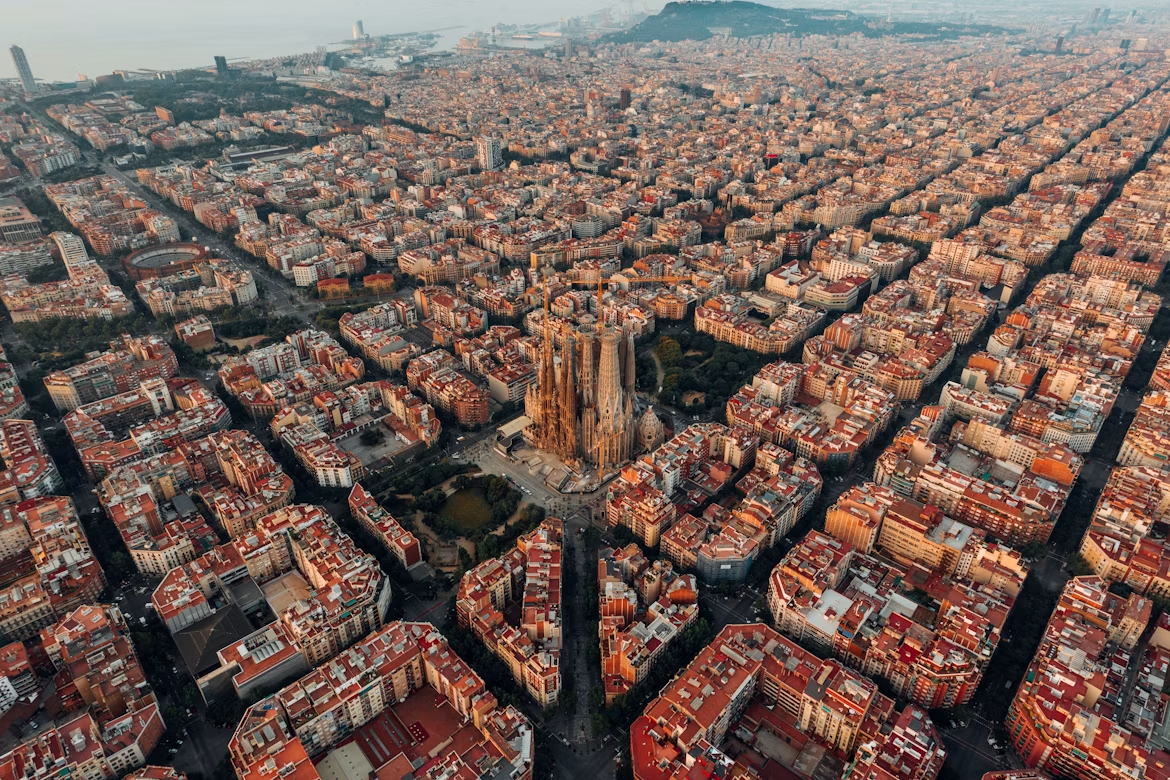
You round a totally ordinary corner — tram tracks, a guy selling lottery tickets, someone's laundry hanging off a balcony — and then Sagrada Família just... appears. Towering, dripping with stone that looks half-melted and half-grown, like something between a cathedral and a sandcastle a genius built at low tide. Honestly, nothing prepares you for that first sight of it against a totally mundane city street. I actually stopped walking. Just stood there on the sidewalk while people went around me, because my brain needed a second to reconcile "normal Tuesday in a European city" with "there is a building that looks like this." That's Barcelona's whole trick, really — it keeps doing that to you, all trip long.
Three days is enough to get a real feel for the place if you plan it right, so here's how I'd break it down.
Day 1: Sagrada Família & the Gothic Quarter
Start with Sagrada Família, no question, and go early. Inside is honestly more overwhelming than outside — stained glass windows on one side wash the whole nave in blue and green, and the opposite side is all warm reds and oranges, so depending on where the sun is, you're standing in a completely different colored light. The columns branch overhead like tree canopies, which sounds like a metaphor someone made up for a brochure, but no, Gaudí actually built it to look exactly like walking through a forest, and it works. I sat in a pew for probably fifteen minutes longer than I meant to, just looking up.
Buy skip-the-line tickets in advance — I cannot stress this enough. Sagrada Família is one of those places that genuinely sells out days, sometimes weeks, ahead, especially in peak season, and the walk-up line is brutal in the sun. Book through GetYourGuide or Tiqets as soon as your dates are locked in, and spring for tower access if you can; the view over the city from up there is worth the extra steps and the slightly terrifying spiral staircase down.
In the afternoon, wander into the Gothic Quarter and just let yourself get a little lost — it's genuinely hard to stay oriented in there, and that's part of the fun. Narrow stone streets, laundry lines crisscrossing overhead, the occasional burst of guitar from a street musician bouncing off the walls in a way that makes it sound way better than it probably is anywhere else. You'll stumble into Plaça Reial without meaning to, palm trees and wrought-iron lampposts Gaudí himself designed as a student, and probably a bar of orchata or fresh-squeezed juice from a cart nearby that hits different in the heat.
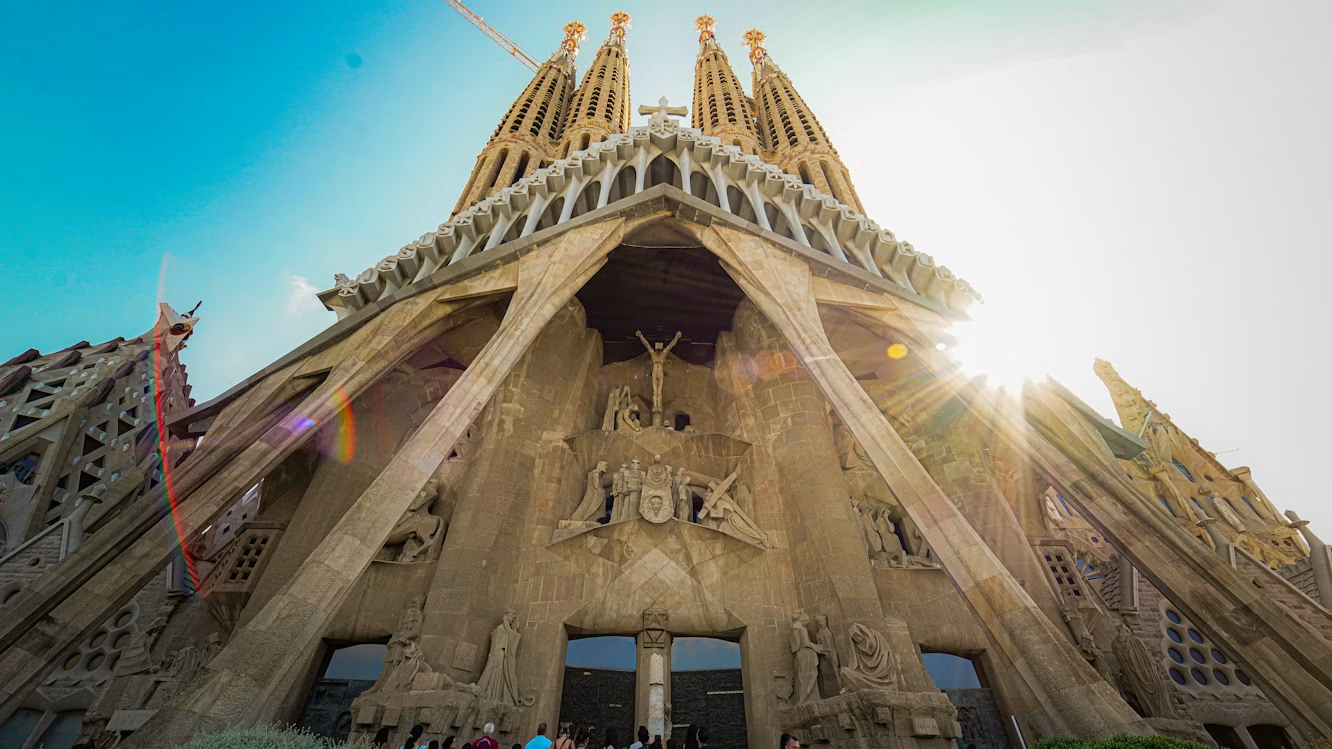
What I'd tell a friend: Go to Sagrada Família the moment it opens — the light through the glass is best in the first couple hours, and the crowds are noticeably thinner. Also, wear real walking shoes; Gothic Quarter cobblestones are not sandal-friendly, learned that one the hard way.
Day 2: Park Güell & Gràcia
Park Güell is where Gaudí really lets loose, and photos genuinely do not do it justice — you come around a bend and there's a giant mosaic lizard guarding a staircase, all broken tile in blues and yellows, like someone smashed a thousand plates and then made something beautiful out of the pieces. The main terrace up top has this long, snaking bench covered in more of that mosaic work, curving along the edge with the whole city and the sea spread out beyond it. By early afternoon the tiles are hot enough that you can feel it through your jeans if you sit down too fast — ask me how I know.
A guided tour here is genuinely worth it, not because you can't wander on your own, but because Gaudí's design choices are so weird and specific that having someone explain the why behind them turns "huh, cool lizard" into "oh, that's actually genius." Timed entry tickets are required for the monumental zone regardless, and they do sell out on busy days, so book ahead through GetYourGuide or Tiqets rather than risk showing up to a sold-out slot.
Afterward, head down into Gràcia, the neighborhood right below the park, and just breathe for a while — it's got this small-town feel that's almost jarring after the tourist crush of the park. Tiny plazas with kids kicking a ball around, cafes spilling out onto the sidewalk, way fewer people taking photos of everything. I ended up eating patatas bravas at a place with maybe six tables that I found purely by following the smell of garlic and fried potato down a side street, and it was one of my favorite meals of the whole trip.
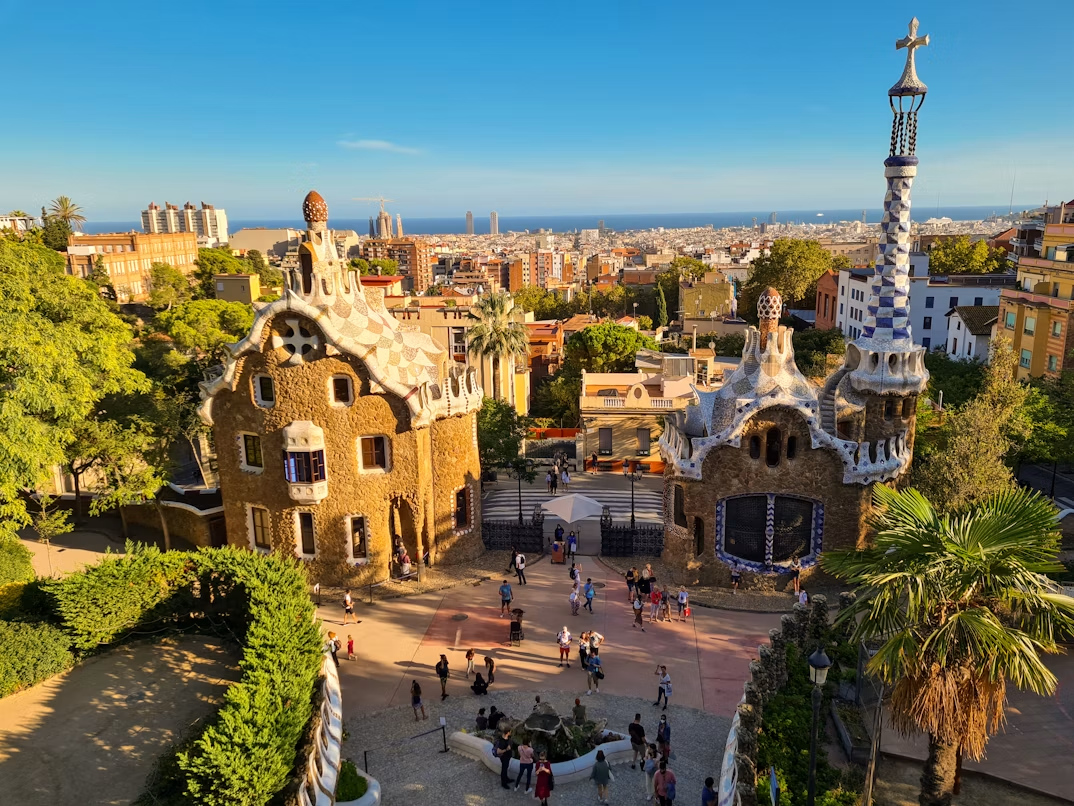
What I'd tell a friend: Book the earliest Park Güell slot you can get — by midday the main terrace is shoulder to shoulder and the tile is genuinely too hot to sit on comfortably. Bring water and sunscreen; there's very little shade up there and the Barcelona sun does not mess around.
Day 3: Barceloneta Beach & a Tapas Crawl
Save your last day for the water. Barceloneta in the morning has this completely different energy than the Gothic Quarter — wide open sky, the smell of salt and sunscreen, older locals doing laps in the sea before the beach really fills in. Rent a paddleboard or just stake out a spot with a towel, but either way, the contrast of swimming in the actual Mediterranean and then walking twenty minutes back into that dense, ancient city center still messes with my head a little. Not many cities let you do both in the same morning.
For the evening, do a tapas crawl — seriously, don't try to plan your own bar-hopping route on your last night, just book a guided one. A good tapas tour walks you through several small, usually family-run spots you'd never find on your own, pouring you vermouth on tap and plates of jamón, pan con tomate, maybe some grilled octopus if you're lucky, while explaining what you're actually eating instead of you pointing vaguely at a menu and hoping. I booked mine through GetYourGuide with maybe two days' notice and it was fine, but the popular ones do fill up on weekends, so a little advance booking saves you the stress.
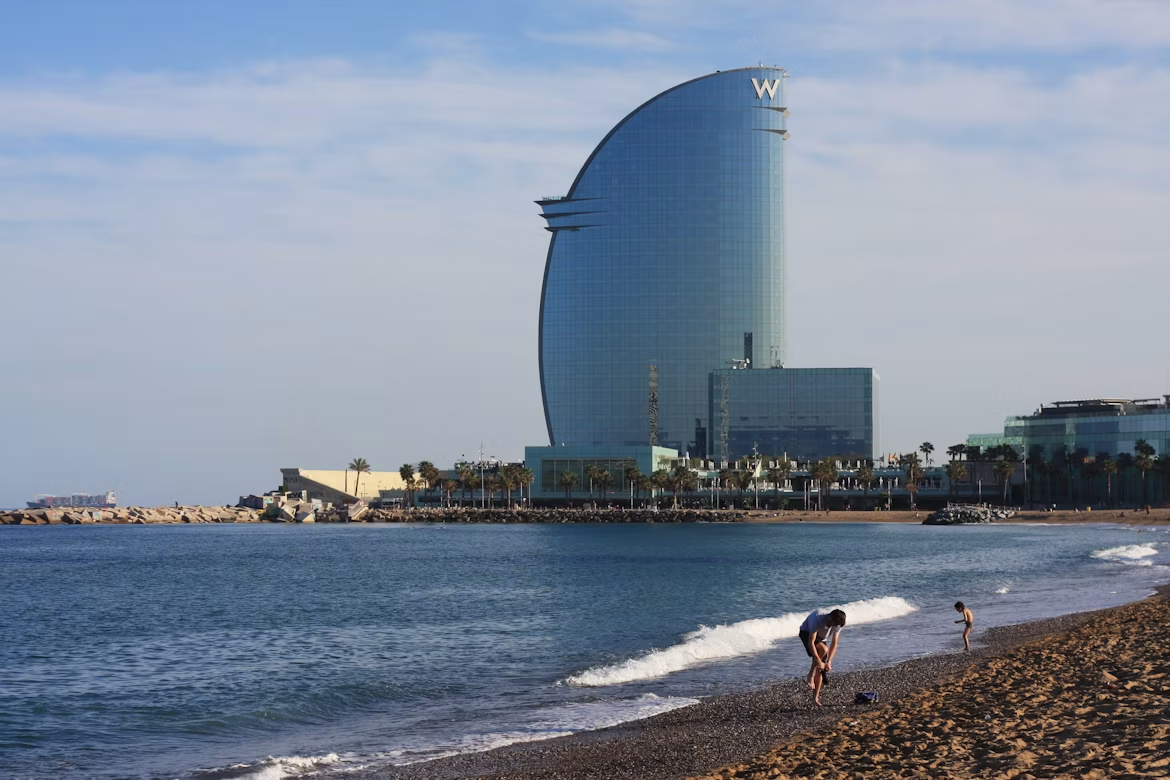
What I'd tell a friend: Go to the beach early — by noon it's packed and the magic quiet-morning feeling is gone. For the tapas crawl, don't eat a big lunch beforehand; you will regret it by the third stop, trust me.
Why Barcelona Sticks With You
I've been home for months now and I still think about it more than I probably should — the specific gold of the light hitting Sagrada Família's spires in the late afternoon, the smell of fresh bread drifting out of a bakery on La Rambla at nine in the morning, the exact sound of that guitarist's chords echoing off Gothic Quarter stone. It's a city that somehow manages to feel ancient and completely alive at the same time, weird and beautiful in a way that never quite settles into "normal," no matter how many days you spend there. Three days is enough to fall for it. It is not enough to get over it. Book your Sagrada Família tickets early, wear shoes you can walk in for hours, and just let the city do the rest — it's very good at that part.