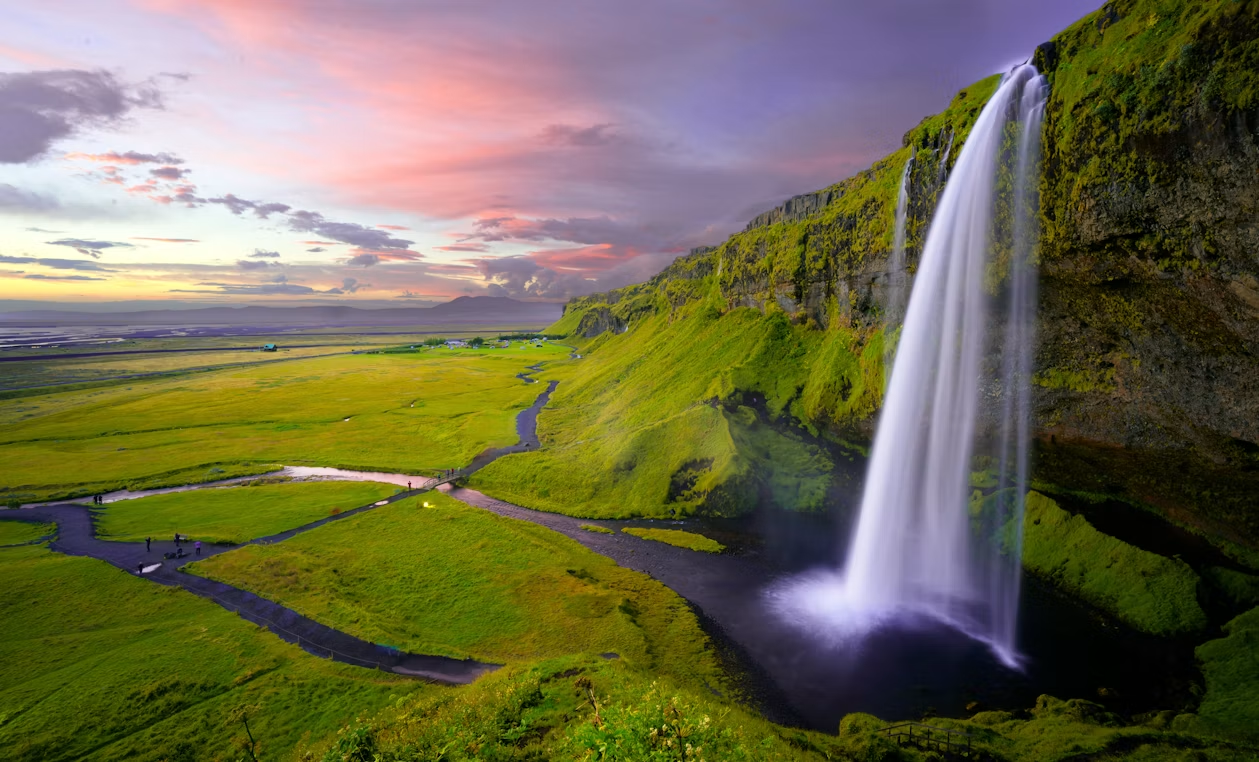

The first time you round a bend and see a castle ruin sitting half-swallowed in mist, stone walls dissolving into gray at the edges like the fog is slowly deciding whether to let it exist, something in your chest just goes quiet. It's early, the loch beside it is glassy and still, and the only sound is wind moving through heather and the distant, indifferent call of a bird you can't identify. You genuinely lose track of what century you're in. That's the thing about the Highlands — they don't perform their beauty for you the way a lot of destinations do. They just sit there, damp and ancient and completely unbothered, and let you catch up to how strange and lovely it all is.
Four or five days is enough to get a real feel for this landscape if you plan your route with a bit of care. Here's where I'd point a first-timer.
1. A Loch Ness Cruise
Loch Ness is bigger than photos ever suggest — over 20 miles long, and deep enough that the water holds a permanent dark, almost black-green color even on a clear day. A cruise out onto it puts you right in the middle of that scale: hills rolling steeply down to the water on both sides, cloud shadows moving slowly across the surface, and if you're lucky, a gap in the weather that lets you see clean down the loch's full length. Most cruises pass close by Urquhart Castle's ruins on the northern shore, jagged and roofless against the water, which is honestly one of the most photographed views in Scotland for good reason.
This is a solid pick for first-timers who want an easy, scenic introduction to the loch's scale, families who'll enjoy the boat ride itself, and anyone hoping — sincerely or otherwise — for a glimpse of something in the water. Cruises depart regularly from Inverness or Drumnadrochit, and while walk-up tickets are often available, booking ahead through GetYourGuide or Viator guarantees your slot, especially for the popular sunset sailings in summer.
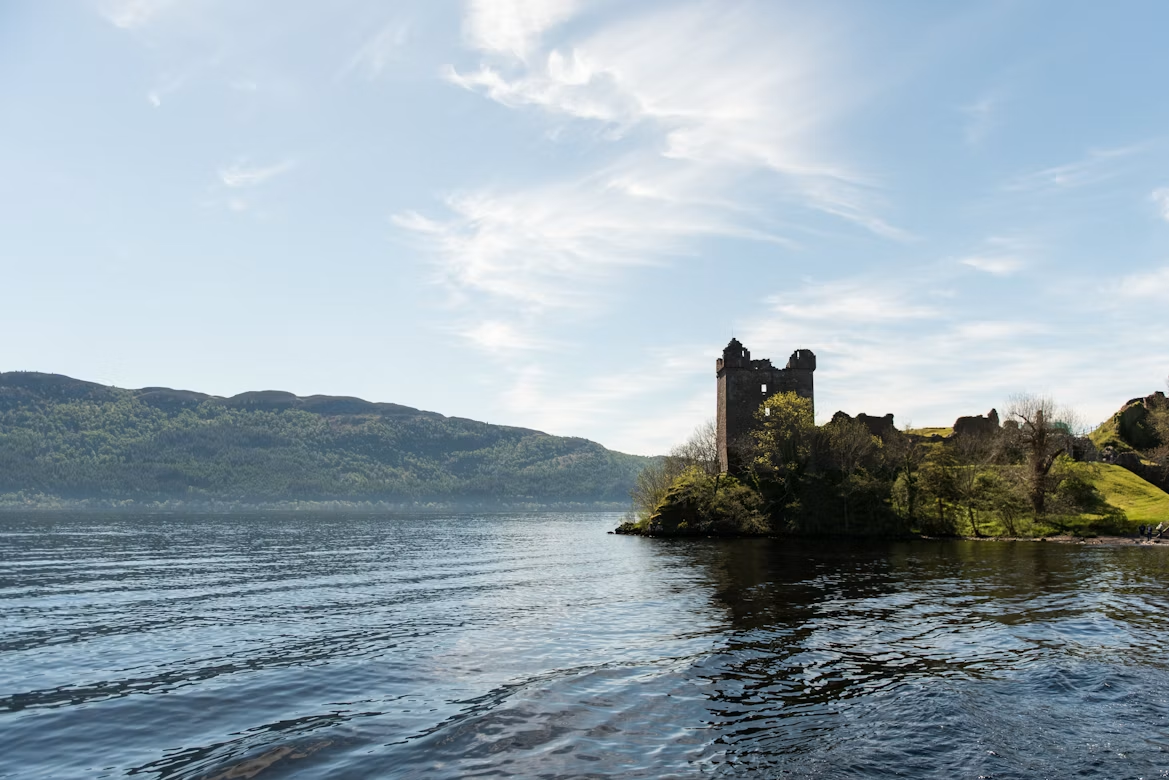
Practical tip: Overcast, slightly misty days often make for moodier, more atmospheric photos than bright sunshine — don't wait for perfect weather. Inverness is your base here, and the loch is about a 20–30 minute drive or a short cruise departure from the city center.
2. Eilean Donan or Urquhart Castle, Guided
Eilean Donan sits on its own small island where three lochs meet, connected to the mainland by a stone footbridge, and it's easily one of the most photographed castles in the country — deservedly so, especially at dawn when mist tends to pool low over the water and the castle seems to float just above it. A guide here fills in the history that the postcard view doesn't: the castle was actually reduced to rubble in 1719 and rebuilt from scratch in the early 20th century, stone by stone, which somehow makes it more impressive rather than less. Urquhart Castle, on Loch Ness's shore, carries a rawer, older feel — its walls are genuinely crumbling in places, having survived centuries of siege and deliberate destruction, and standing in what's left of the tower with the loch stretching out below is its own kind of quietly overwhelming.
This experience suits history lovers, photographers chasing that early-morning mist shot, and anyone who wants a tangible sense of just how long people have been fighting over this landscape. Guided castle tours, particularly combined with Loch Ness or Isle of Skye day trips, book up well ahead in peak summer season, so reserve through GetYourGuide or Viator once your dates are set.
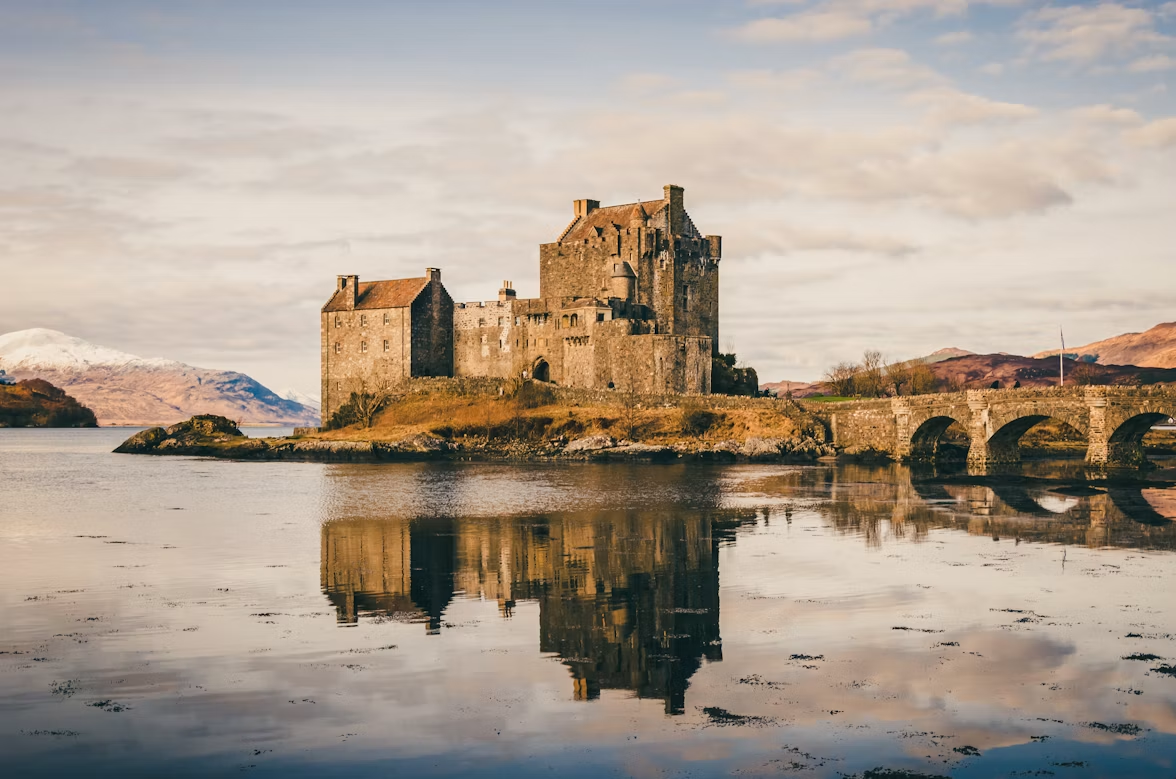
Practical tip: Arrive at opening time if you can — both castles get considerably busier by midday with tour coaches, and the early light is far more flattering than the flat glare of afternoon. Eilean Donan is roughly a two-and-a-half-hour drive from Inverness, closer to Skye's side of the Highlands, while Urquhart Castle sits right on the Loch Ness route, about 20 minutes from Inverness.
3. A Whisky Distillery Tour
Walking into a working distillery for the first time hits you with smell before anything else — malted barley, warm and faintly sweet, mixed with the sharper, smokier note of peat if you're somewhere that uses it in the process. The stills themselves are enormous, copper and gleaming, shaped like something between a kettle and a spaceship, and a good guide walks you through the entire transformation from grain to spirit before finally letting you taste the result, often several drams deep into varying ages and casks. There's something almost meditative about it — the whole process runs on patience, some of these whiskies aging quietly in barrels for a decade or more before anyone even gets to taste them.
This is perfect for whisky curious travelers and total beginners alike, since good distillery guides tailor the tasting notes to whatever level of knowledge you're bringing in. It's also a nice change of pace after a day of hiking or driving — a warm, indoor stop with a dram waiting at the end. Popular distilleries along the whisky trail get busy in summer, and the better guided tours with tastings included are worth booking ahead through GetYourGuide or Viator.
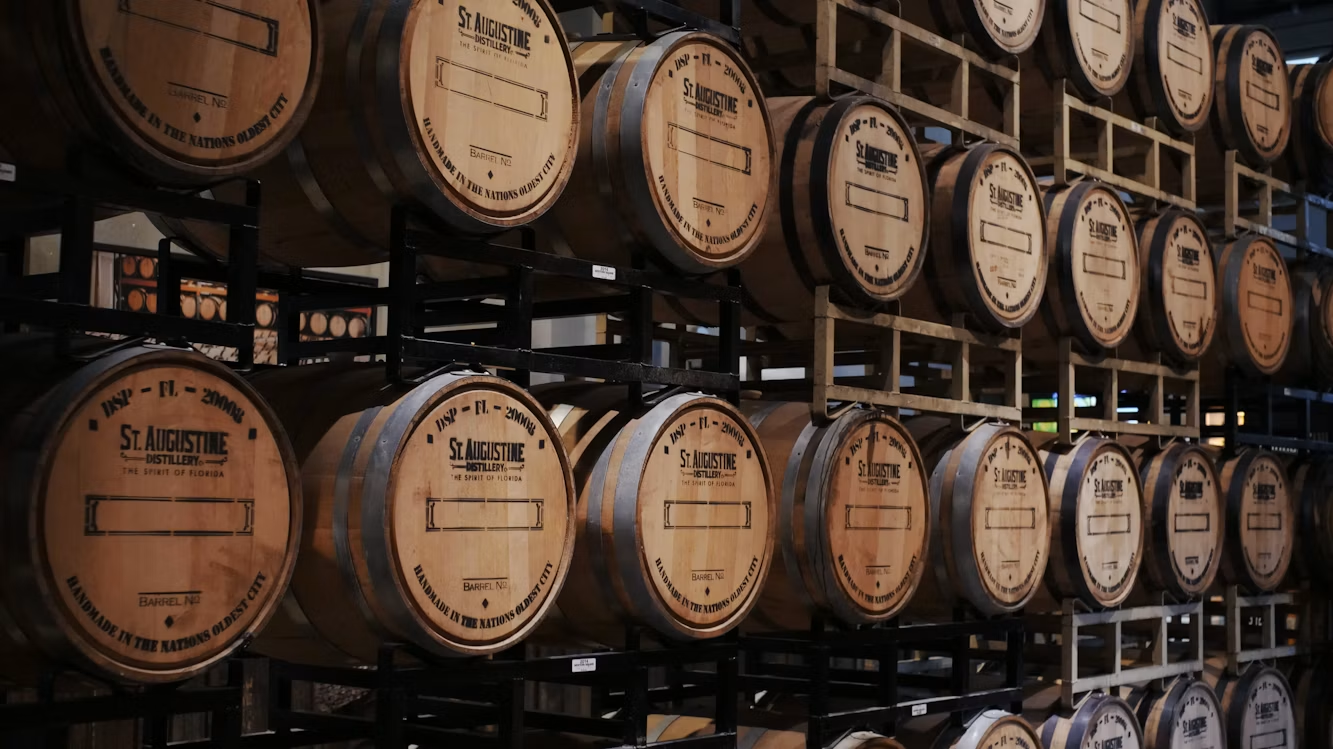
Practical tip: Arrange a designated driver or book a tour that includes transport if you're planning to actually enjoy the tastings — Highland roads are narrow and unforgiving, and it's not worth the risk. Many distilleries sit along the route between Inverness and Speyside, roughly 45 minutes to an hour from the city.
4. Glencoe: A Scenic Drive or Guided Tour
Glencoe is the Highlands at their most dramatic, and it's not subtle about it — steep, jagged mountains rising almost vertically on either side of the glen, often wrapped halfway up in low cloud, with waterfalls threading down the rock face after rain. The valley has a genuinely heavy history too; it was the site of the 1692 massacre of the MacDonald clan, and knowing that story while standing in the glen's silence, wind cutting across the exposed pass, gives the landscape a weight that goes beyond its obvious visual drama.
A guided tour here is worth it if you want the history alongside the scenery — a good guide can point out exactly where events unfolded and explain the clan politics behind them, turning a stunning drive into something more layered. This suits hikers, photographers, and anyone drawn to landscapes with a bit of gravity behind them, not just good looks. Guided day trips from Edinburgh or Inverness that include Glencoe are easy to book through GetYourGuide or Viator, and worth reserving ahead if you want a specific departure time or a smaller group.

Practical tip: Midday light flattens the mountains' texture, so aim for early morning or the hour before sunset if photography matters to you. Glencoe sits almost exactly between Glasgow and Fort William, making it a natural stop on a route from Edinburgh (about two and a half hours) toward Skye or Inverness.
5. Isle of Skye: The Fairy Pools or the Old Man of Storr
Skye feels like its own separate country within Scotland — jagged black mountains, crofting villages scattered along the coast, and light that changes by the minute as clouds race in off the Atlantic. A guided walk to the Fairy Pools takes you along a stream of impossibly clear, turquoise-tinted pools carved into the rock beneath the Black Cuillin mountains, cold enough to genuinely take your breath away if you're brave enough to wade in. The Old Man of Storr, a dramatic rock pinnacle rising from a hillside on the island's east coast, rewards a steeper climb with one of the most striking silhouettes in the country, especially with mist curling around its base at dawn.
This is best for hikers of moderate fitness, landscape photographers, and anyone chasing the single most otherworldly stretch of the whole Highlands trip. A local guide is genuinely useful here, both for safety on Skye's changeable weather and for knowing the quieter viewpoints away from the main crowds. Guided walking tours to either site, especially combined day trips from Portree or Inverness, are worth booking ahead through GetYourGuide or Viator, particularly in July and August.

Practical tip: Weather on Skye shifts fast, so pack a proper waterproof layer even if the forecast looks clear when you set out. Skye is roughly a three-hour drive from Inverness, so plan on either an overnight stay on the island or a genuinely early departure if you're doing it as a day trip.
Why the Highlands Stay With You
It's the quiet that gets you, more than anything else — standing at the edge of a loch with nothing but wind and water for company, or looking up at a castle ruin that's been slowly losing its argument with time for centuries and somehow looks better for it. The Highlands don't need you to understand every legend or trace every clan history to feel their weight; the landscape does most of that work on its own, in the mist and the peat smoke and the particular gray-green color the hills go right before rain. Book your castle and whisky tours ahead in peak season, pack for four seasons in one day, and leave room in your itinerary to just stand somewhere quiet for a while. That's usually where the real memory of the trip ends up living.