
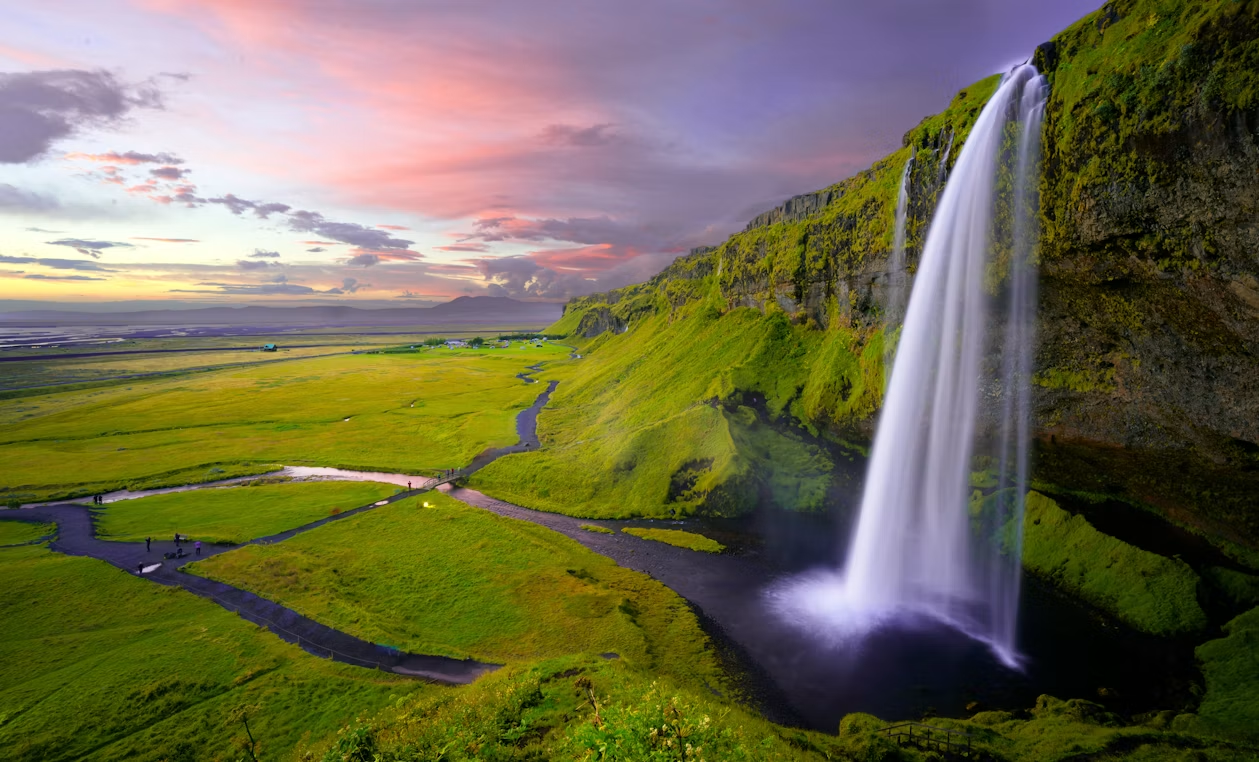
Somewhere on the drive out of Reykjavik, the landscape stops making sense in a good way. You pass a jagged black lava field stretching to the horizon, moss growing over it in this impossibly bright, almost neon green, and then twenty minutes later you're looking at a glacier — a genuine, ancient ice sheet — with a volcano's dark cone visible just beyond it. Steam rises off the ground in places for no visible reason. The quiet, when you finally step out of the car, is total in a way I wasn't prepared for: no traffic, no birds, just wind moving over rock and the faint sound of water somewhere you can't quite see. Iceland doesn't ease you into its scale. It just keeps handing you landscapes that feel like they shouldn't coexist on the same island, let alone within the same afternoon's drive.
Five or six days gives you enough time to get a real taste of that range, especially if you build your trip around a few key experiences. Here's where I'd point a first-timer.
1. A Guided Glacier Hike
Strapping on crampons for the first time and stepping onto actual glacier ice is a genuinely strange sensation — the crunch under your boots is sharp and immediate, and the ice itself isn't the flat white you'd expect but streaked through with this deep, almost impossible blue in the crevasses, compressed over centuries into something denser and more colorful than regular ice ever gets. Walking across Sólheimajökull or Vatnajökull with a guide, roped up in places, past ridges and blue meltwater pools carved into the surface, gives you a sense of the glacier as something alive and moving, not just a static white mass on the horizon.
This is best for adventurous first-timers who want one genuinely physical, adrenaline-tinged experience on the trip, and it's not something to attempt without a certified guide — crevasses are a real hazard, and reputable operators carry the gear and route knowledge to keep things safe. Glacier hikes are only offered with certified guides for exactly this reason, and popular tours sell out in peak summer months, so book ahead through GetYourGuide or Viator once your dates are set.
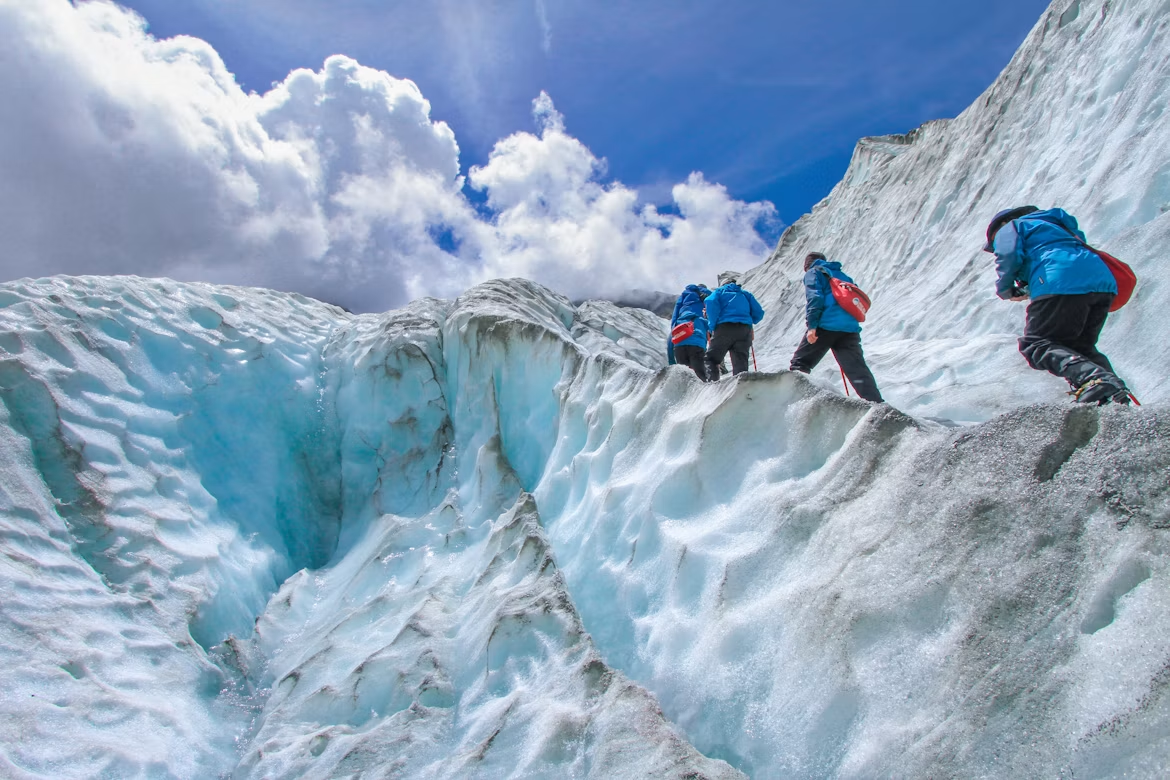
Practical tip: Wear sturdy, waterproof hiking boots and warm layers even in summer — the ice keeps the air noticeably colder than the surrounding landscape. Sólheimajökull is about two hours from Reykjavik along the South Coast, making it an easy addition to a day that also includes waterfalls and black sand beaches.
2. Horseback Riding With Icelandic Horses
Icelandic horses are smaller than you expect, thick-maned, and have this extra natural gait called the tölt that makes for a surprisingly smooth ride even at speed — you notice it almost immediately, the rhythm completely different from any horse you've ridden before. Riding out across open farmland or along a black sand beach, wind coming in off the Atlantic and the horse's breath visible in the cool air, has a kind of unhurried, old-world quality to it; these horses have been isolated on the island for over a thousand years, with strict laws preventing other breeds from being imported, so you're riding a genuinely unique piece of Icelandic history.
This experience suits families, riders of any skill level (the horses are famously gentle and well-suited to beginners), and anyone wanting a slower, more grounded contrast to the trip's bigger adrenaline moments. Farms offering guided rides are scattered across the country, many within a short drive of Reykjavik, and it's worth booking through GetYourGuide or Viator a few days ahead, especially for the popular beach-riding routes near Vík.
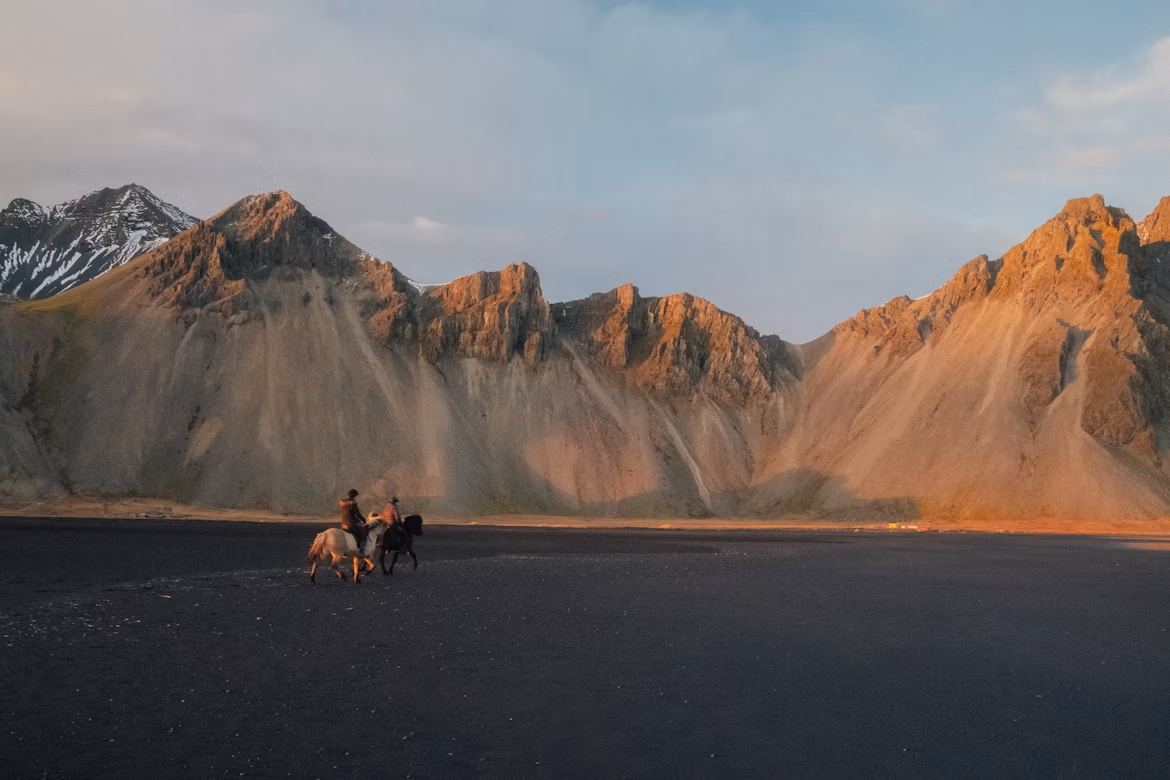
Practical tip: Dress warmer than you think you need to — you're moving slower than on a hike, and the wind cuts colder when you're not generating your own body heat. Rides near Reykjavik's outskirts are available year-round and often just 20–30 minutes from the city, making this an easy half-day addition even on a tight schedule.
3. The Golden Circle: Geysir, Gullfoss, and Þingvellir
The Golden Circle packs three wildly different landscapes into one manageable loop, and each one earns its spot. At Geysir, you wait with a small crowd around Strokkur, the still-active geyser, watching the water dome up and shimmer for a few seconds before it erupts skyward with a low whoosh — genuinely startling even when you're expecting it. Gullfoss is a two-tiered waterfall that drops into a canyon with enough force that spray drifts up and catches the light in a near-permanent rainbow on sunny days, the roar of it audible well before you reach the viewing platform. Þingvellir closes the loop with something quieter but equally strange: a valley where you can actually see the rift between the North American and Eurasian tectonic plates pulling apart, walking through a landscape that is, quite literally, splitting in two.
This route is ideal for first-timers who want maximum variety in a single day, history buffs (Þingvellir was also the site of Iceland's original parliament, founded in 930), and anyone without a rental car, since guided Golden Circle day trips from Reykjavik handle all the driving and timing. These tours run daily and rarely sell out completely, but booking through GetYourGuide or Viator a day or two ahead secures your preferred departure time.

Practical tip: Go early morning or late afternoon to avoid the heaviest tour bus crowds at Gullfoss and Geysir. The full loop is about a two-to-three-hour drive from Reykjavik round trip, making it very doable as a single day trip even with stops.
4. A Northern Lights Tour
If your trip falls between roughly September and March, chasing the Northern Lights is worth building an evening around. A good tour takes you well outside Reykjavik's light pollution, out into genuinely dark countryside, and then it becomes a game of patience — standing in the cold, breath fogging, eyes adjusting to the dark, waiting for a faint green smear to appear overhead and slowly resolve into moving curtains of light. When it actually happens, it's hard to describe without sounding like you're exaggerating: the light seems to pulse and ripple across the sky with a kind of unhurried, deliberate motion, and the quiet of the countryside makes the whole thing feel even more enormous.
This is best for patient travelers who understand the lights are never guaranteed — clear skies and solar activity both have to cooperate — and for anyone visiting in the darker months who wants a real shot at seeing them with a guide who knows where to look based on the night's forecast. Tours typically include pickup from Reykjavik and multiple viewing stops if the first spot doesn't deliver; book through GetYourGuide or Viator, and many operators offer a free rebooking if the lights don't show, which is worth confirming before you commit.

Practical tip: Bring every warm layer you own — you'll be standing still outside for extended stretches, often for over an hour, and the cold sets in fast. Winter (November through February) offers the longest nights and best odds, though the shoulder months of September and March can still deliver with less brutal cold.
5. An Ice Cave or Lava Tube
Iceland's underground world is its own kind of strange. Natural ice caves, typically accessible in winter when the glacier is stable enough for safe entry, open into chambers of blue-tinted ice so clear in places you can see air bubbles trapped from centuries ago, light filtering through the ceiling in a soft, otherworldly glow that shifts with the thickness of the ice above you. Lava tubes, formed when the outer layer of a flowing lava river cooled and hardened while the molten rock beneath drained away, offer a different kind of underground drama — rippled black rock walls, sudden narrow passages, and a silence so complete you can hear your own heartbeat.
Ice caves are best visited with a certified guide, both for the caves' seasonal safety window and because reaching many of them requires travel across the glacier itself; lava tubes are more accessible year-round and suit a slightly wider range of comfort levels, including those wary of ice underfoot. Both are well suited to adventurous travelers and photographers chasing genuinely unique light. Ice cave tours in particular require certified guides and sell out fast in the peak winter season, so book through GetYourGuide or Viator as early as you can once your dates are confirmed.
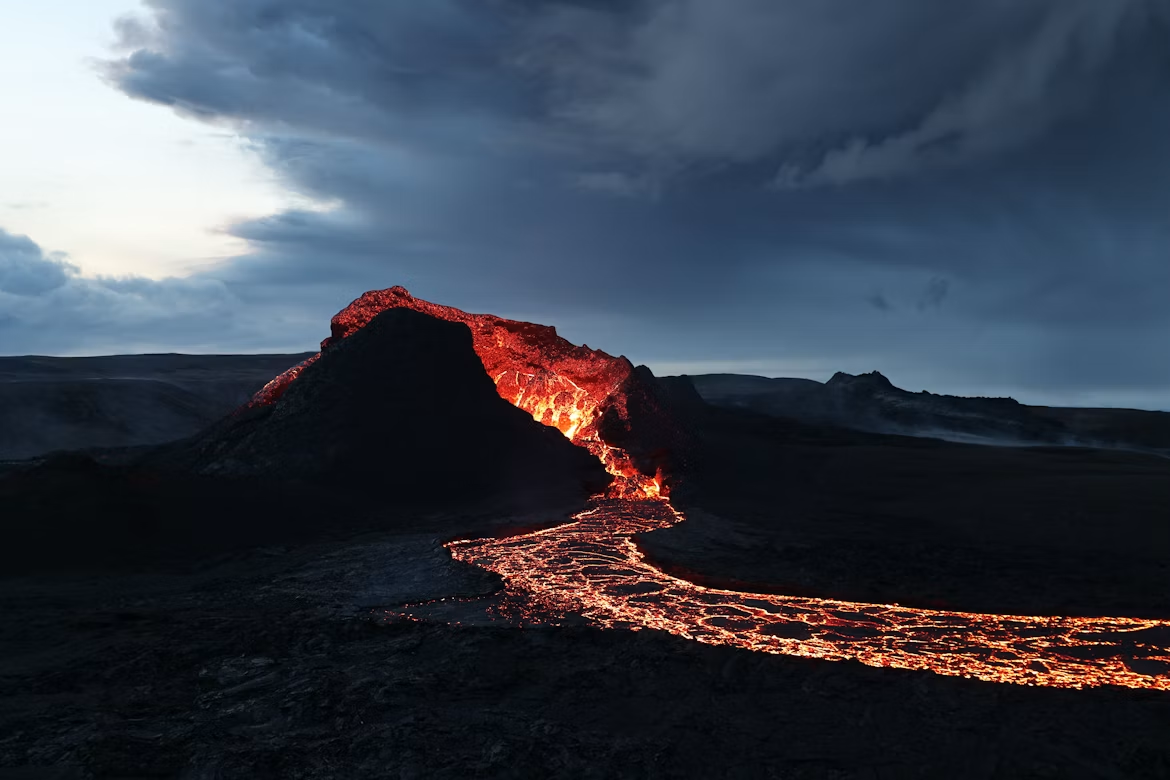
Practical tip: Ice caves are generally only safely accessible from around November through March, so plan your trip dates accordingly if this is a priority. Most ice cave tours depart from near Jökulsárlón on the South Coast, roughly a four-to-five-hour drive from Reykjavik, so many travelers pair it with an overnight stay along the coast rather than attempting it as a same-day round trip.
Why Iceland Doesn't Feel Like Anywhere Else
What stays with me most, months later, isn't any single landscape but how fast they change into each other — glacier to lava field to black sand beach to a valley where the earth is visibly tearing apart, sometimes all within a single day's drive. It's a place that rewards curiosity and a decent set of waterproof layers in roughly equal measure, and it has a way of making you feel appropriately small in front of forces that have clearly been doing their thing for a very long time, with or without an audience. Book your glacier and ice cave tours early, pack for weather that changes its mind constantly, and give yourself enough days to actually sit with the quiet in between the big moments. That's usually where Iceland does its best work.

