You step off the shuttle and the heat hits first, thick and humid, wrapping around you like a warm towel straight out of the dryer. Then the noise arrives — an absolute wall of it, cicadas buzzing at a pitch you can feel in your teeth, a chorus of birds calling from somewhere in a canopy so dense you can't actually see any of them, and somewhere in the distance, a low, guttural roar that you'll later learn is a howler monkey and not, as your brain insists in that first startled second, something considerably larger. Everything is green, saturated and layered in a way that doesn't quite compute after a flight from anywhere less tropical. Costa Rica doesn't ease you in. It just turns the volume up on every sense at once and lets you catch up.
Five or six days is a solid window to chase the country's biggest adrenaline hits without racing between them, especially if you base yourself smartly and let a couple of rest-and-recover moments break up the bigger adventures. Here's where I'd point a first-timer building an active trip.
1. White-Water Rafting (Class III–IV Rapids)
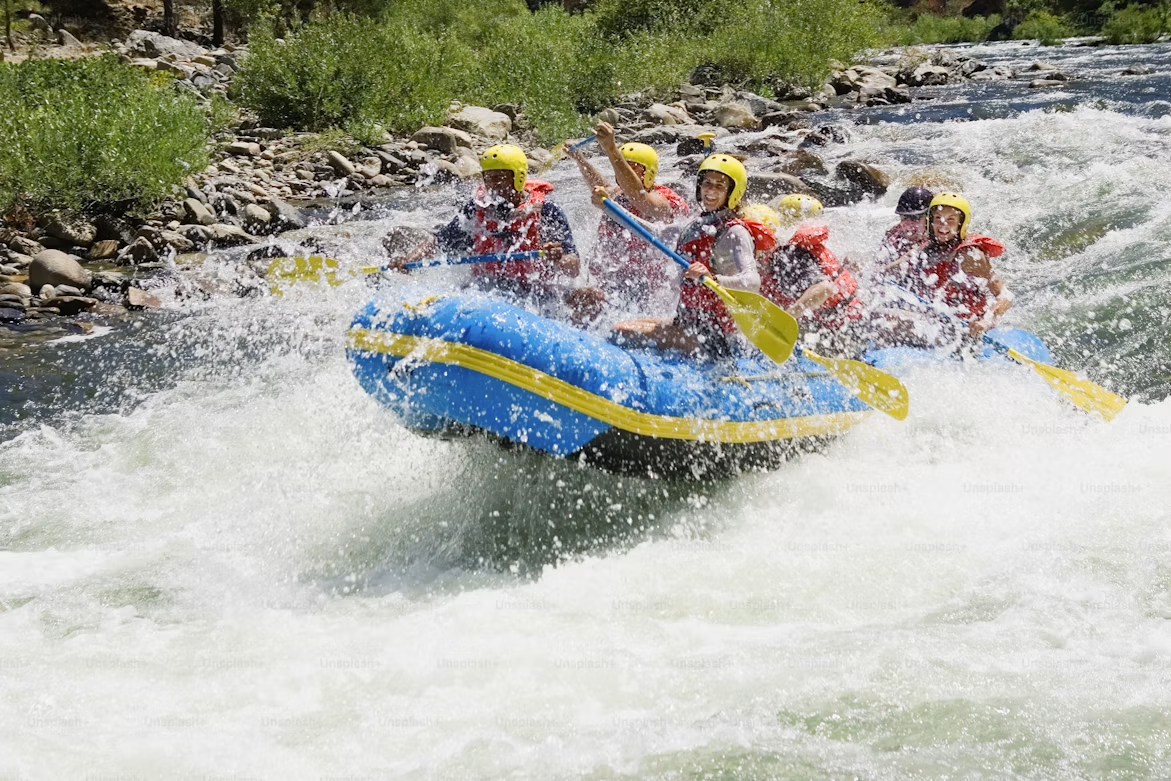
There's a moment right before you drop into a big rapid where the boat tips forward, the roar of the water goes from background noise to something you can feel in your chest, and your guide is yelling instructions you're only half processing because you're already paddling as hard as you can. Rivers like the Pacuare and the Sarapiquí deliver exactly that, again and again, over a run that also somehow finds time for calm, glassy stretches where you can look up and actually register the rainforest walls rising on either side, waterfalls dropping straight into the river from somewhere far above.
Class III sections are approachable for reasonably fit beginners with no prior rafting experience, while Class IV runs demand more physical capability, quicker reflexes, and ideally at least some past paddling experience — this is a real distinction worth being honest with yourself about before booking. Families with older kids and first-time rafters generally do well on Class III trips, while thrill-seekers and anyone chasing a genuine adrenaline spike should look at Class IV. Both levels are widely available through guided operators, and it's worth booking through GetYourGuide or Viator ahead of time, checking the listed difficulty rating carefully so you end up on a river that matches your actual experience rather than your ambition.
Practical tip: Wear quick-dry clothing and secure water shoes — flip-flops will not survive contact with a raft. Reputable operators run mandatory safety briefings and provide helmets and life jackets; treat that briefing seriously rather than as a formality, since river conditions can shift with recent rainfall. La Fortuna and the Pacuare Valley are both well set up as bases for rafting day trips.
2. Zip-Line Canopy Tour
Clipping into the harness and stepping off the platform for the first time produces a genuine stomach-drop, no matter how many times someone's told you it's totally safe — and then you're flying, wind rushing past, the rainforest canopy blurring beneath you in a wash of green, with occasional gaps in the leaves offering flashes of a valley or river far below. Longer canopy tours string together a dozen or more lines of varying length and height, some soaring high above the treetops and others threading close enough to the canopy that you can make out individual leaves and the occasional startled bird.
This is the experience for adrenaline chasers and confident heights enthusiasts, but well-run operators also cater to nervous first-timers and families with kids old enough to meet height and weight minimums — guides are generally excellent at talking jittery beginners through that first launch. Popular canopy tours near Monteverde and Arenal are easy to book through GetYourGuide or Viator, and reserving a specific time slot ahead of your trip helps you avoid the midday queues during peak season.

Practical tip: Wear closed-toe shoes and clothes you don't mind getting a little dusty or sweaty — the gear straps can pull at loose fabric. Morning tours tend to have cooler temperatures and calmer winds, both of which make for a smoother ride than a hot, breezy afternoon slot.
3. Guided Rainforest Hike: Sloths, Toucans, and Monkeys
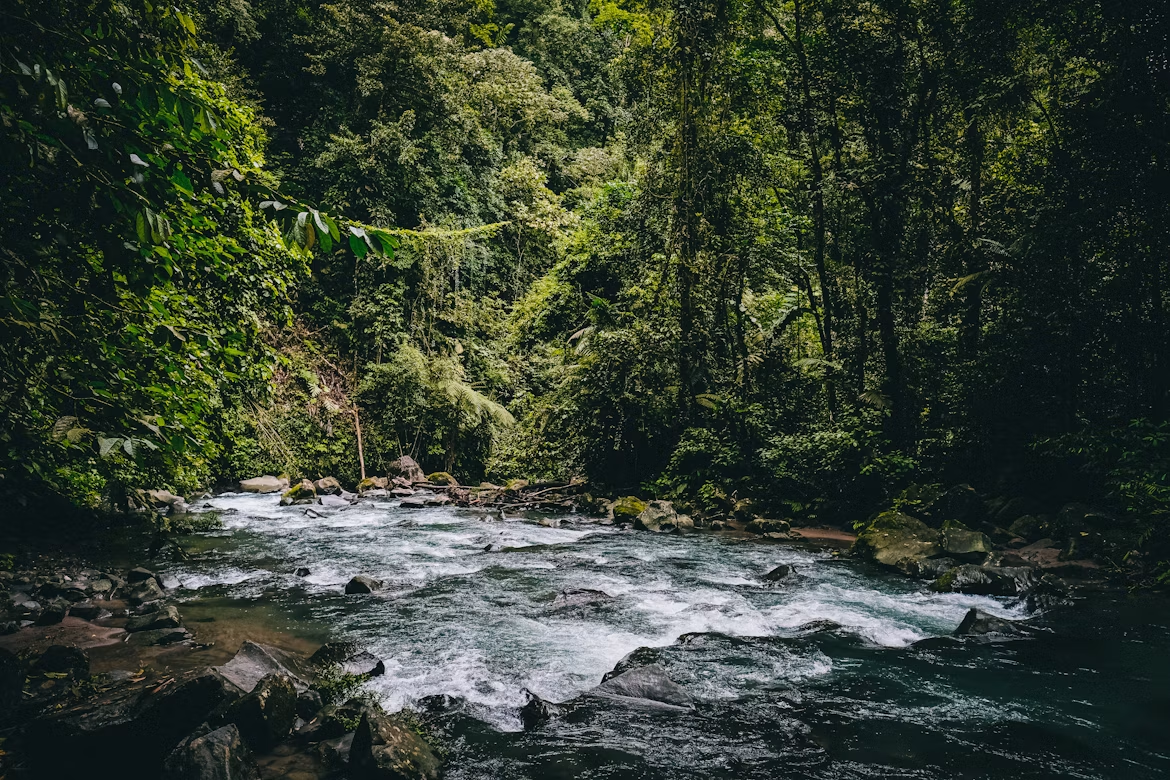
Walking into the rainforest with an experienced local guide changes the entire experience, because what looks like an undifferentiated wall of green to an untrained eye is, to them, a checklist of movement and sound. A guide's practiced ear picks out a toucan's call before you'd ever register it, spots a sloth's silhouette wedged impossibly still in a high fork of a tree that you'd have walked straight past, and knows exactly which fruiting tree is likely to have a troop of howler or white-faced capuchin monkeys working through it at that hour. The reveal, once the guide points a scope or a laser pointer at the right branch, is almost always the same: disbelief that something that large or colorful was sitting in plain sight the whole time.
This experience suits literally everyone on an active Costa Rica trip — families, wildlife photographers, and hardcore adventure travelers alike tend to rank a good guided hike among their trip highlights, since the payoff (an actual sloth, an actual scarlet macaw) rewards patience over athleticism. Guided hikes through reserves like Monteverde Cloud Forest or Manuel Antonio National Park are simple to book through GetYourGuide or Viator, and morning slots are worth prioritizing since wildlife activity is highest in the cooler early hours.
Practical tip: Bring binoculars if you have them, along with insect repellent and a light rain jacket — cloud forest weather shifts fast, sometimes misting within minutes of full sun. Manuel Antonio and Monteverde are both excellent bases, each with a noticeably different ecosystem and wildlife mix worth experiencing if your itinerary allows both.
4. Arenal Volcano and Hot Springs
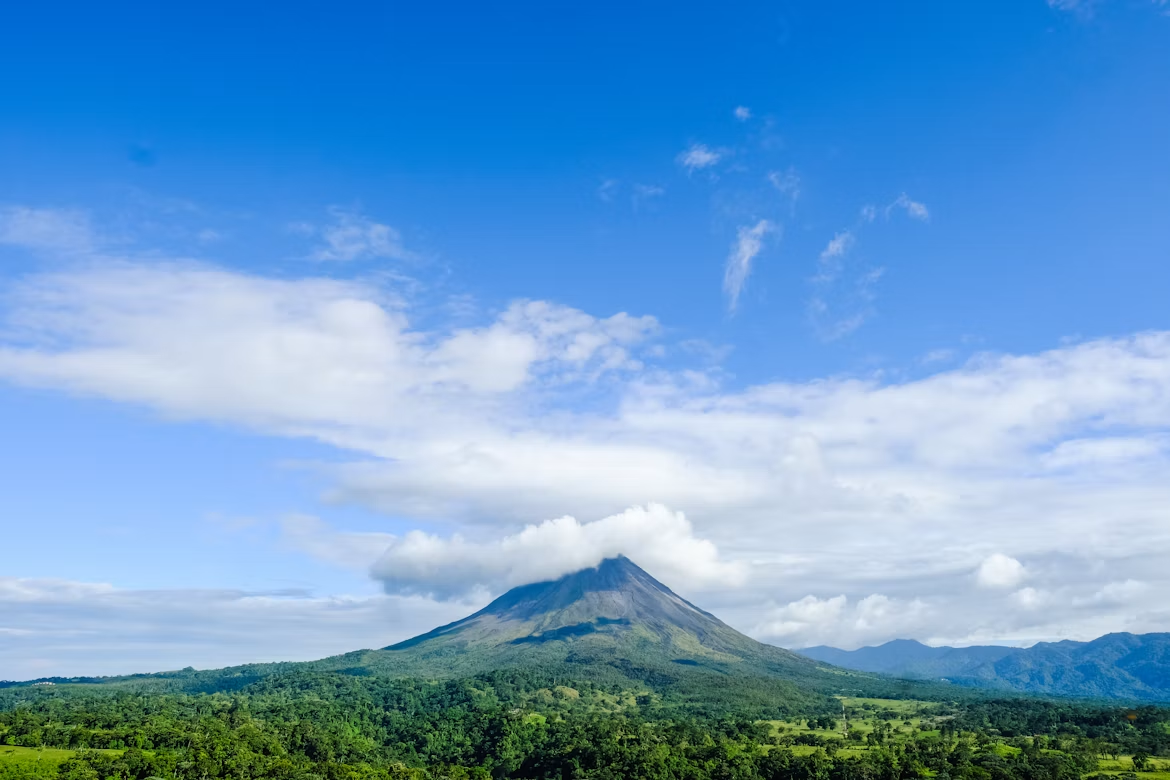
Arenal's near-perfect cone rises dramatically out of the surrounding rainforest, and even on days when cloud cover hides the summit, the volcano's presence is felt everywhere in La Fortuna — the whole region's economy and geography orbit around it. A guided hike around its base takes you through lava fields from past eruptions, now colonized by hardy plants working their way back across the black rock, with views (weather permitting) of the cone looming overhead. After a day of rafting, zip-lining, or hiking, the region's natural hot springs are the reward: mineral-rich, volcanically heated water in pools ranging from casual and rustic to genuinely resort-luxurious, steam rising off the surface into the cool evening air.
This combination is ideal for basically anyone on an active itinerary who needs a recovery day worked in — thrill-seekers who've earned a soak, families wanting a lower-key activity, and couples looking for a relaxed, scenic evening. Guided volcano hikes and hot springs day passes are easy to book together through GetYourGuide or Viator, and reserving hot springs entry ahead of time is worth doing for the more popular resorts, which can sell out entry slots on busy evenings.

Practical tip: Bring a swimsuit and a change of dry clothes regardless of what else is on your day's agenda — you'll want the hot springs option available even if you didn't plan on it that morning. La Fortuna is the natural base for this entire region and works well as a hub for rafting, zip-lining, and volcano activities all within a short drive of each other.
5. A Night Hike or Nocturnal Wildlife Tour
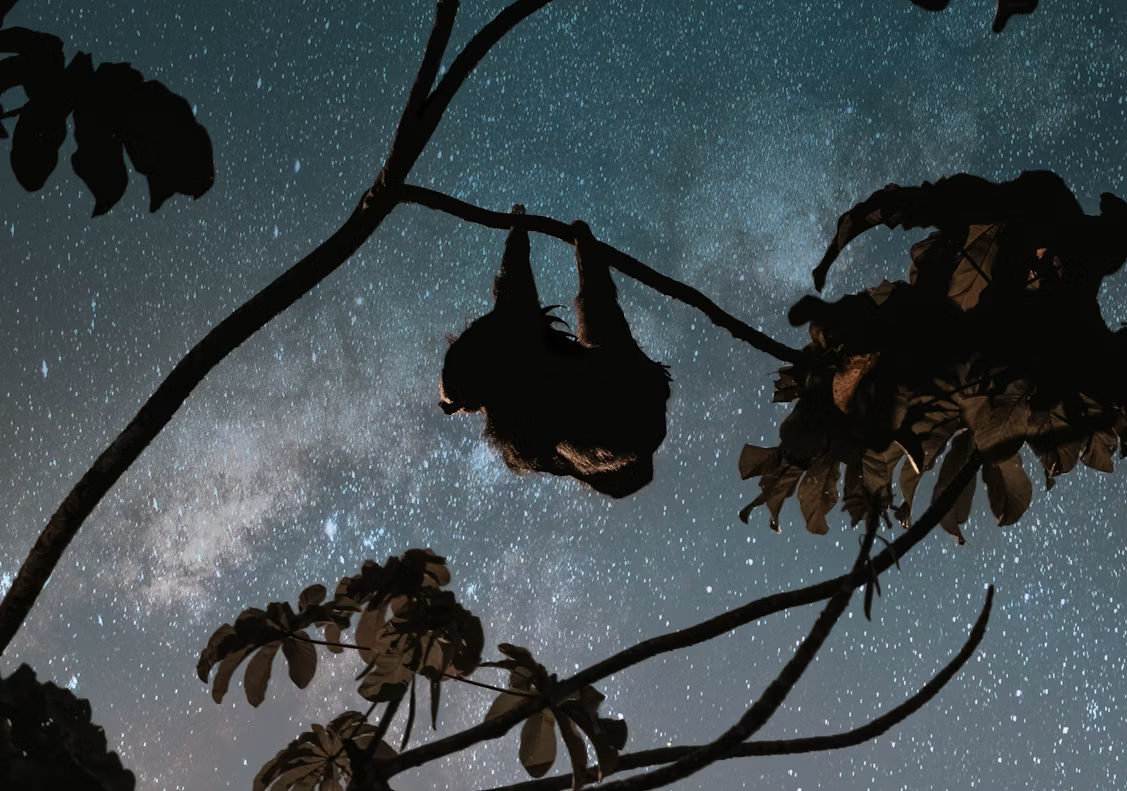
Costa Rica's rainforest genuinely transforms after dark — a different, often more active set of wildlife emerges once the sun goes down, and a guided night hike with red-filtered flashlights (which avoid startling nocturnal animals the way white light does) reveals a completely different ecosystem than the daytime version. Tree frogs call from the undergrowth, their eyes catching the light in a sudden green or gold flash. Tarantulas emerge from burrows. Sloths, oddly, are often easier to spot at night when they're more active and moving between branches, and with luck, a guide might pick out a kinkajou or an olingo moving silently through the upper canopy.
This is a great fit for curious travelers who've already done a daytime hike and want the contrast, and for anyone who enjoys the specific, slightly electric feeling of walking through dense rainforest in the dark with an expert who clearly isn't nervous about it, even when you are. Small-group night tours near Monteverde, La Fortuna, or Manuel Antonio are worth booking through GetYourGuide or Viator, since group sizes are intentionally kept small and evening slots fill up in peak season.
Practical tip: Wear long sleeves and pants despite the heat — it cuts down on both insect bites and the general prickle of unfamiliar plants brushing against you in the dark. Bring your own flashlight as backup even if the tour provides one, and manage your expectations a little: night hikes reward patience and quiet observation more than guaranteed dramatic sightings.
Why This Country Delivers
By the end of a trip like this, you'll have paddled through rapids that had your heart somewhere up around your ears, launched off a platform into open air above a rainforest canopy, and stood in absolute stillness at 9 pm listening to a guide's flashlight beam catch the eyeshine of something moving in the undergrowth just out of sight. Costa Rica has a way of making you feel entirely, gratefully alive in the middle of all that noise and green and heat — which is really what people mean when they talk about pura vida, less a tourist slogan than an actual describable feeling you carry home with you. Book the big-ticket adventures ahead of time, choose your rafting level honestly, and leave enough slack in the schedule to just stand still in the rainforest for a minute and listen to how loud it actually is.