Winter travel has transformed from a niche interest into a full-fledged lifestyle trend. While many people once limited trips to summer months, travelers are increasingly seeking snowy landscapes, cozy destinations, and unique seasonal experiences. From ski resorts in Colorado to European Christmas markets, winter tourism now appeals to those looking for adventure, relaxation, and Instagram-worthy experiences all at once.
Several factors contribute to this shift. Airlines and travel services are offering better deals in the off-season, reducing crowds and costs. Remote work flexibility allows travelers to explore new locations even during weekdays. Social media has amplified the allure of snow-dusted villages, frozen lakes, and holiday festivities, inspiring more people to plan winter escapes.
For modern travelers, winter is not a limitation — it’s an opportunity. Seasonal activities, fewer crowds, and immersive experiences make cold-weather destinations increasingly attractive. Winter travel offers a balance of adventure and relaxation that warm-weather trips can’t always match.
Trending Destinations and Experiences
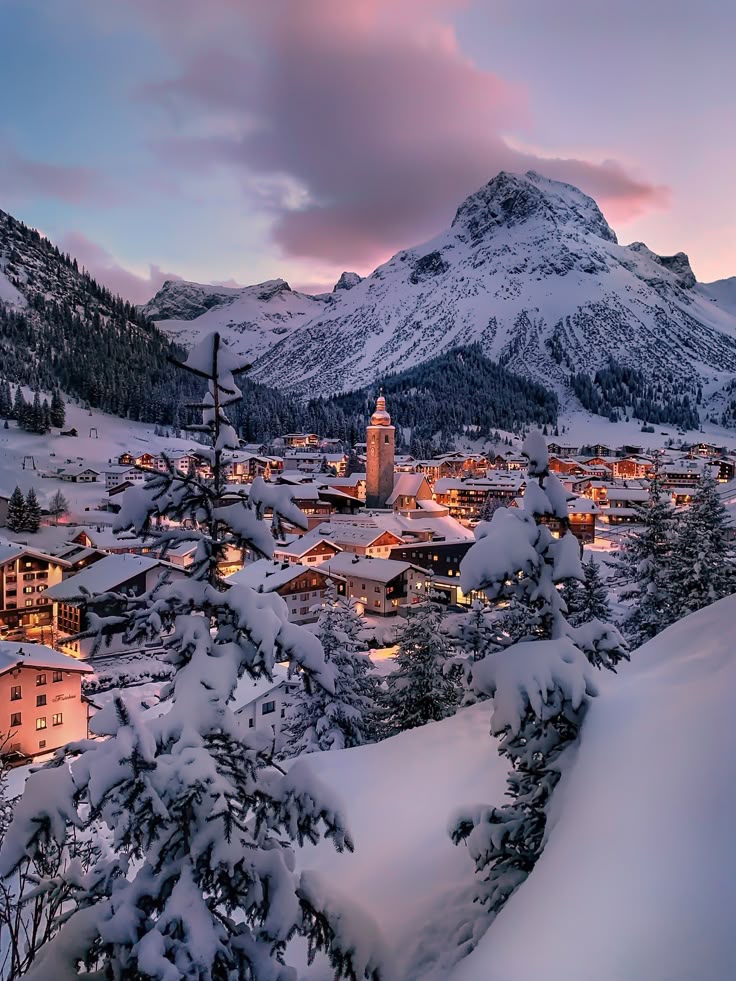
Certain destinations have emerged as winter favorites in recent years. Mountain resorts offering skiing, snowboarding, and cozy lodges remain popular for adventure seekers. Aspen, Lake Tahoe, and Vermont in the U.S., along with Switzerland, Austria, and Japan internationally, continue to attract tourists seeking powdery slopes and alpine charm.
City travel in winter is also gaining popularity. European cities like Prague, Vienna, and Strasbourg host iconic Christmas markets, complete with festive lights, local crafts, and seasonal cuisine. Major U.S. cities such as New York and Chicago attract visitors with holiday shows, ice-skating rinks, and cultural events. For travelers seeking something off the beaten path, small towns in Scandinavia or Canada offer Northern Lights viewing, snowshoeing, and local traditions that create unforgettable experiences.
Beyond sightseeing, winter travel encourages immersive activities. Hot springs, ice hotels, dog sledding, and winter hiking provide opportunities to connect with nature in a season when most people prefer to stay indoors. Travelers are seeking experiences rather than just destinations, and winter offers a unique canvas for adventure and memory-making.
Planning Smart Winter Trips: Tips for Modern Travelers
Winter travel requires a different mindset than summer vacations. Planning ahead is essential to maximize comfort, safety, and enjoyment. Key considerations include:
Clothing:
Layering is crucial. Wool, thermal, and water-resistant materials help travelers stay warm while exploring outdoors. Accessories like insulated gloves, hats, and waterproof boots are must-haves.Transportation:
Winter weather can impact flights and road travel. Monitoring weather reports, having alternative routes, and leaving extra travel time reduce stress.Accommodations:
Lodges and hotels often have seasonal packages and amenities tailored to winter activities. Booking early ensures availability and access to perks such as ski passes, hot tub access, or guided tours.Local Experiences:
Researching local festivals, winter sports, and seasonal foods enhances the authenticity of the trip. Engaging with local guides and communities can create experiences beyond the standard tourist trail.Winter travel can also benefit from digital planning tools. Apps for real-time weather, maps, activity recommendations, and travel alerts simplify navigation and allow travelers to make the most of each day.
The Appeal of Winter Travel: Beyond Snow and Ice
Winter trips offer more than just picturesque snow-covered landscapes. They provide an opportunity to slow down, enjoy cozy accommodations, and embrace a slower rhythm of life. Many travelers appreciate the contrast of outdoor adventure and indoor relaxation: skiing in the morning and warming up by a fireplace with a hot drink in the evening.
Traveling during the winter months also promotes mindful tourism. With fewer crowds, it’s easier to connect with local culture, spend more time exploring at your own pace, and enjoy quieter, more intimate experiences. Seasonal cuisine, winter festivals, and local traditions offer cultural immersion that is often more authentic during this time of year.
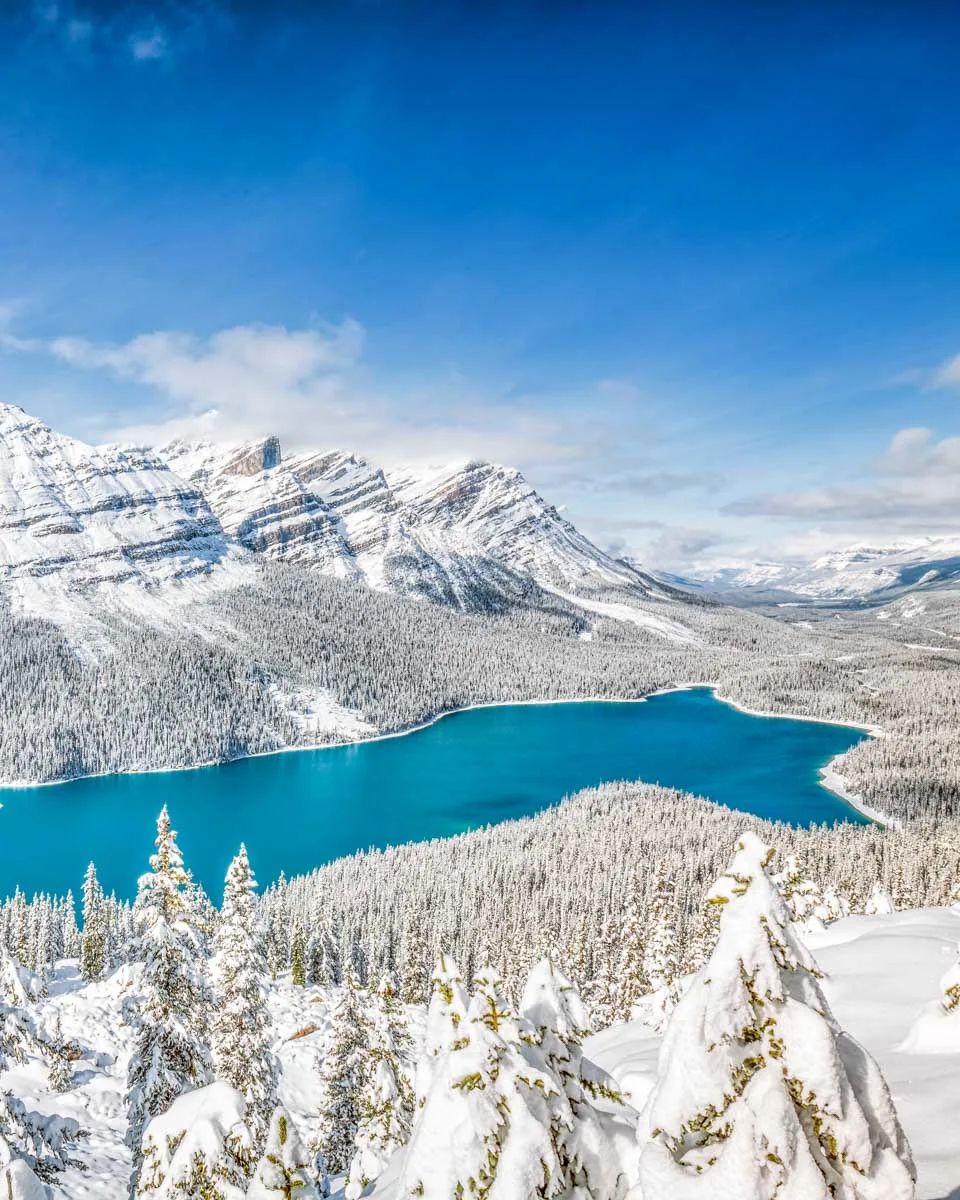
Finally, winter travel fosters a sense of novelty and adventure. Ice skating on frozen lakes, seeing the Northern Lights, or walking through a snow-dusted forest creates memories distinct from summer vacations. It’s an opportunity to embrace the magic of the season, reconnect with nature, and share unique experiences with friends or family.