

It's 3 a.m. in a hotel room that still smells vaguely new, and you are wide, wide awake — staring at a ceiling fan, fully alert, while your body insists with total confidence that it's actually 9 a.m. and you should probably be getting brunch. Or maybe it's the opposite version: you're at dinner on your first night, somewhere you've been dreaming about for months, and you catch yourself nodding off face-first into a plate of something you'll barely remember ordering. Either way, that's jet lag — your body clock and your new time zone in open disagreement, and neither one backing down easily. The good news is it's genuinely manageable, and it fades faster than it feels like it will at 3 a.m. Here's what actually helps.
1. Start Adjusting Your Sleep Schedule Before You Leave
A few days before a long-haul flight, start nudging your bedtime and wake-up time in the direction of your destination — even 30 to 60 minutes a day makes a difference. If you're heading east, go to bed earlier than usual; heading west, push it later. This works because jet lag isn't really about being tired, it's about your internal circadian clock being tuned to the wrong time zone, and that clock shifts gradually, not instantly. Giving it a head start before you even board the plane means you've got less distance to cover once you land.
2. Hydrate Like It's Your Job, and Go Easy on Alcohol and Caffeine
Cabin air is famously dry — humidity levels on a plane can drop below 20%, well under what your body's used to — and dehydration makes every jet lag symptom worse: the grogginess, the headache, the general feeling of having been hit by a truck. Drink water steadily throughout the flight, more than feels necessary. That celebratory glass of wine or the coffee to power through a layover both feel good in the moment, but alcohol disrupts sleep quality even when it knocks you out fast, and caffeine's effects can linger for six hours or more, right when you're trying to convince your body it's bedtime somewhere else entirely.
3. Get Outside and Into the Sunlight as Soon as You Land
This one might be the single most effective tool you have, and it's free. Sunlight is the strongest signal your circadian rhythm responds to — even more than sleep itself — so getting outside during daylight hours at your destination tells your internal clock, in no uncertain terms, that this is the new normal now. If you land in the morning, get outside and stay in the light as much as you can. If you land in the evening, dim, low light in the hours before your new bedtime helps signal the opposite. It sounds almost too simple, but it works because it's literally how your body has been calibrating itself to day and night for your entire life.
4. Nap Smart, or Don't Nap at All
The urge to collapse into bed the second you check into your hotel is real, and sometimes a short nap genuinely helps take the edge off. The rule that actually matters here is keeping it under 30 minutes and finishing before mid-afternoon local time — longer than that, or later in the day, and you risk sliding into deep sleep, waking up disoriented, and torching your chances of falling asleep at a reasonable local bedtime that night. If you can white-knuckle it and stay awake until evening instead, you'll usually adjust faster, even though it's genuinely rough in the moment.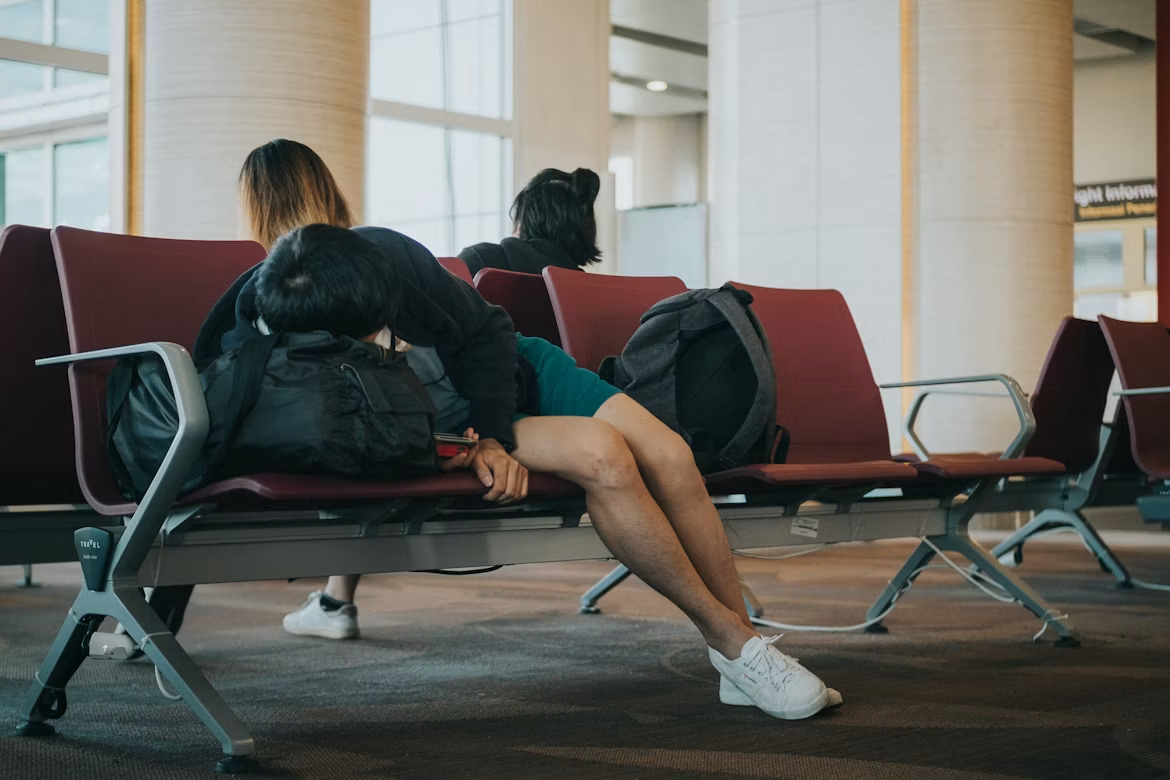
5. Use Melatonin Thoughtfully, Not as a Cure-All
Melatonin can help nudge your body toward sleep at the right local time, but timing matters more than the pill itself — taking it close to your destination's actual bedtime, in a low dose (0.5 to 3mg is typically plenty), works far better than taking a large dose whenever you happen to feel like passing out. It's a supporting tool, not a light switch; pair it with the sunlight exposure and schedule discipline above rather than expecting it to do all the work alone. And as with any supplement, it's worth checking with a doctor first, especially if you're combining it with other medications.
6. Switch to Local Time the Moment You Board
As soon as you're in your seat for that long-haul flight, change your watch, your phone, your whole mental frame to your destination's time zone — and start acting accordingly. If it's nighttime there, try to sleep, even if your body insists it's the middle of the afternoon. If it's daytime there, stay awake and alert if you can. This isn't just a mental trick; it front-loads the adjustment your body has to make, so by the time you land, you're not starting the clock-shifting process from scratch — you've already been working on it for hours in the air.
7. Choose Flight Times With Your Body Clock in Mind
When you've got flexibility, pick flights that land in the early evening at your destination rather than the crack of dawn. Landing in the evening means you can eat something, stay upright for a few hours, and then go straight to a real night's sleep on local time — a much gentler transition than landing at 6 a.m. after an overnight flight and having an entire disorienting day to somehow fill before you're allowed to sleep. Overnight flights that let you actually sleep for a solid chunk are also worth prioritizing over red-eyes that leave you wired and exhausted at the same time.
It Gets Better Faster Than You Think
Jet lag feels enormous on day one — like it's going to define the whole trip — but for most people, the worst of it clears up within two or three days, and a lot of that first rough night is honestly the hardest part of the whole thing. Don't let the fear of it talk you out of booking that long-haul flight or chasing the far-off destination you've been wanting to see. Pack some patience along with your travel adapter, lean into the sunlight the moment you land, and give yourself permission to feel a little foggy for a day or two. It passes. The trip is still very much worth it.
