
Travel planning used to mean stacks of guidebooks, hours on comparison websites, and endless back-and-forth emails. Today, technology has transformed the way Americans dream, plan, book, and experience travel. From AI-powered recommendations to real-time updates and immersive previews, modern tools are making trips more personalized, efficient, and flexible than ever before.
As travelers increasingly value convenience, transparency, and customization, technology is no longer just supporting travel planning — it’s redefining it. Whether you’re planning a weekend getaway or an international adventure, digital tools now shape every stage of the journey.
The Shift From Manual Research to Intelligent Discovery
One of the biggest changes in travel planning is how people discover destinations and experiences. Algorithms now curate travel inspiration based on interests, past trips, and online behavior. Social media platforms, short-form video apps, and AI-driven search tools expose travelers to destinations they may never have actively researched.
AI-powered travel assistants can generate full itineraries in seconds, factoring in budget, travel style, group size, and timing. Instead of spending hours comparing options, travelers can start with a tailored plan and refine it based on personal preferences.
Why it matters: this shift reduces planning fatigue and encourages more confident decision-making. Travelers spend less time researching and more time anticipating the experience itself.
Booking Becomes Smarter and More Dynamic
Technology has also transformed how Americans book flights, hotels, and experiences. Price-tracking tools, predictive analytics, and real-time alerts help travelers decide when to book and when to wait. Apps can notify users of price drops, suggest alternative airports, or flag better-value travel dates.
Hotels and airlines are increasingly using dynamic pricing models supported by AI, offering personalized deals based on demand patterns and customer behavior. Meanwhile, vacation rentals and experience platforms provide instant availability, transparent reviews, and flexible cancellation options — a major priority for post-pandemic travelers.
Why it matters: smarter booking tools reduce uncertainty and financial stress. Travelers gain more control over timing, cost, and flexibility.
Mobile Apps as the New Travel Command Center
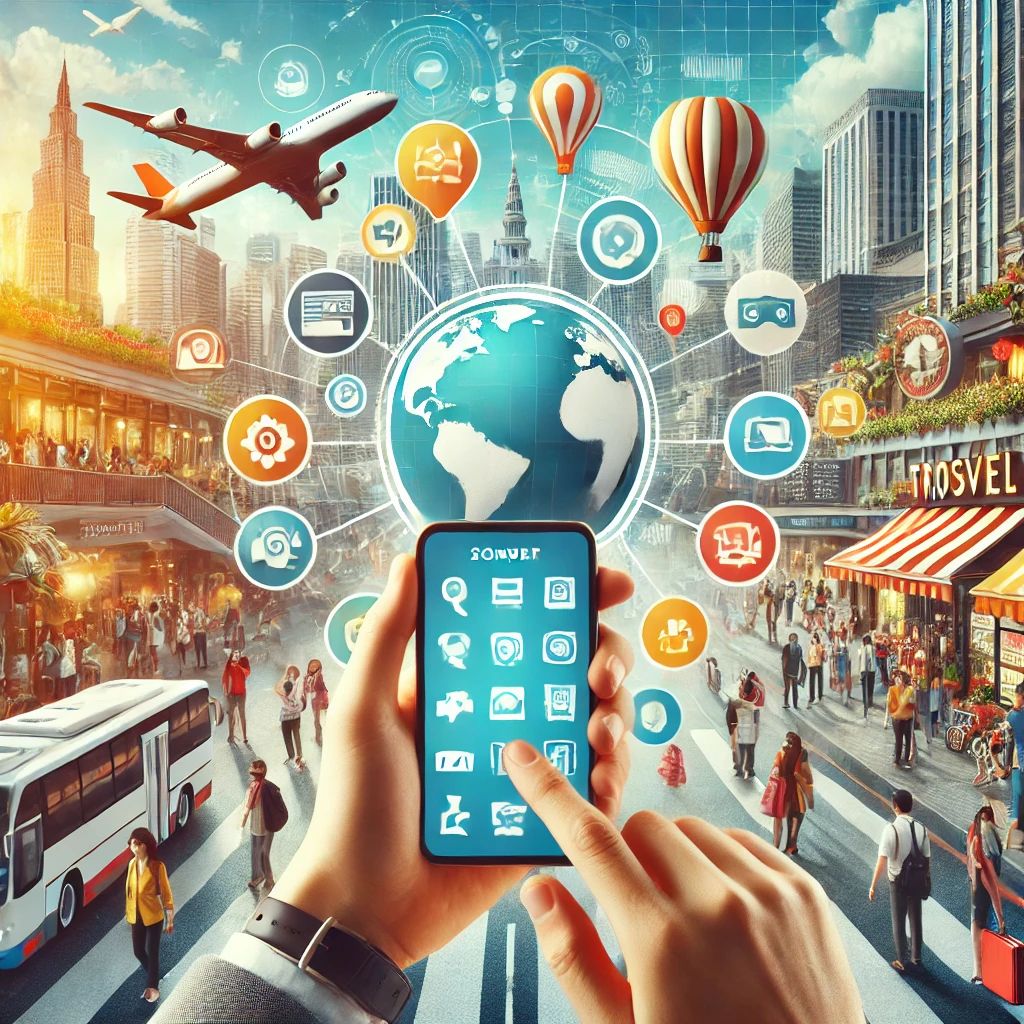
For many travelers, the smartphone has become the central hub for the entire trip. Boarding passes, hotel check-ins, restaurant reservations, navigation, translation, and even luggage tracking now live in a single device.
Travel apps offer real-time updates on delays, gate changes, weather disruptions, and local alerts. Some apps even recommend nearby activities based on location and time of day, turning downtime into opportunity.
Why it matters: real-time information reduces friction and anxiety, especially when plans change. Travelers feel more empowered and less dependent on external assistance.
Virtual and Augmented Reality Enhance Decision-Making
Emerging technologies like virtual reality (VR) and augmented reality (AR) are reshaping how travelers preview destinations. Virtual hotel tours, 360-degree destination experiences, and AR-enhanced maps allow people to “experience before they go.”
These tools are particularly helpful for travelers making high-investment decisions — such as long international trips or family vacations — where expectations matter. Seeing accommodations and attractions ahead of time increases confidence and satisfaction.
Why it matters: immersive previews reduce surprises and align expectations with reality, leading to better travel experiences.
Data-Driven Personalization Improves the Experience
Technology enables personalization not just during planning, but throughout the journey. Loyalty programs, travel platforms, and apps use data to offer relevant upgrades, targeted recommendations, and customized experiences.
For example, frequent travelers may receive tailored lounge access offers, while families get suggestions for kid-friendly activities. Even destination recommendations can adapt in real time based on weather, crowds, and user behavior.
Why it matters: personalization transforms travel from a generic experience into one that feels intentional and meaningful.
Three Practical Tips for Tech-Smart Travel Planning
1. Use AI as a Starting Point, Not the Final Answer
AI-generated itineraries are great for inspiration and structure, but always personalize them. Adjust pacing, priorities, and downtime to match your energy and travel style.
2. Centralize Your Travel Information
Keep confirmations, tickets, reservations, and itineraries in one app or digital folder. This reduces stress and saves time when plans change unexpectedly.
3. Turn On Real-Time Alerts
Enable notifications for flight changes, weather updates, and booking price drops. Timely information can save money and prevent last-minute surprises.
A Question to Consider
How could using one new piece of travel technology make your next trip smoother or more enjoyable?
Conclusion
Technology has fundamentally changed how Americans plan and experience travel. What once required weeks of research and coordination can now be accomplished in minutes, with greater personalization and flexibility. From AI-powered discovery to real-time mobile support and immersive previews, modern tools empower travelers to make smarter decisions and adapt with confidence.
As technology continues to evolve, the most successful travelers won’t be those who use every new app — but those who use the right tools intentionally. When combined with curiosity and flexibility, technology doesn’t replace the magic of travel — it enhances it, allowing people to focus less on logistics and more on meaningful experiences that last long after the trip ends.