
Travel in the United States is experiencing a renaissance in 2026. After years of disruption due to global events and changing work patterns, Americans are hitting the road and the skies with renewed enthusiasm. Whether you’re seeking adventure, relaxation, or cultural enrichment, the U.S. offers an endless variety of experiences for every type of traveler. From national parks and hidden gems to bustling cities and scenic road trips, there’s something for everyone.
This year, travel trends are being shaped not just by curiosity but by a desire for meaningful experiences. Many travelers are prioritizing eco-friendly options, unique local experiences, and immersive cultural activities over traditional tourist traps. The rise of remote work has also changed the way Americans travel — longer stays, flexible itineraries, and digital nomad-friendly destinations are on the rise. These shifts are creating opportunities for both well-known destinations and off-the-beaten-path locales to shine.
In 2026, travel is also more accessible than ever thanks to new transportation options and enhanced infrastructure. High-speed rail projects, improved domestic flight routes, and more bike- and pedestrian-friendly city layouts are making it easier to explore areas that were previously hard to reach. As a result, travelers can combine traditional sightseeing with authentic, local experiences in a way that maximizes both adventure and comfort.
National Parks and Scenic Getaways
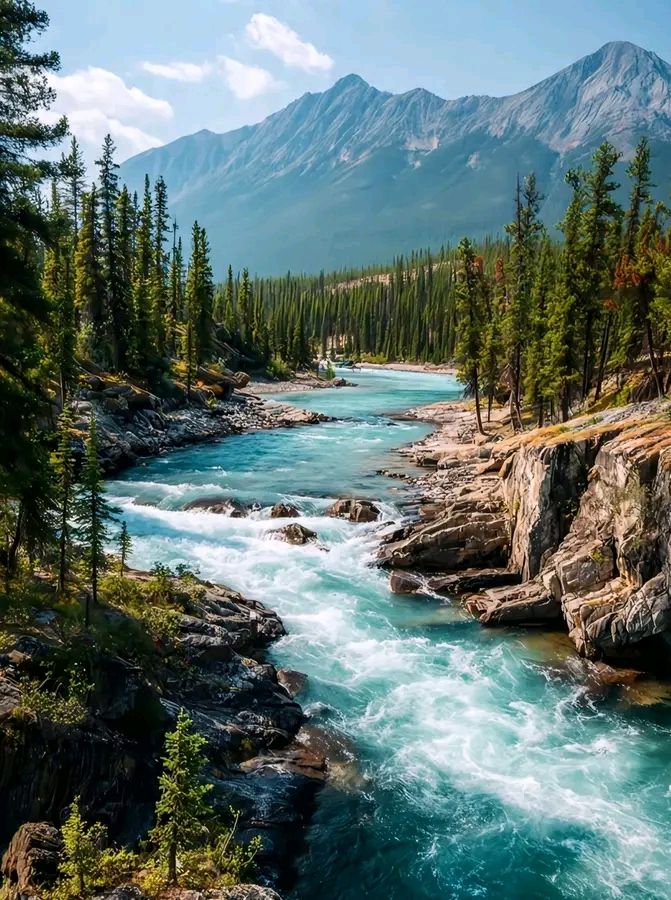
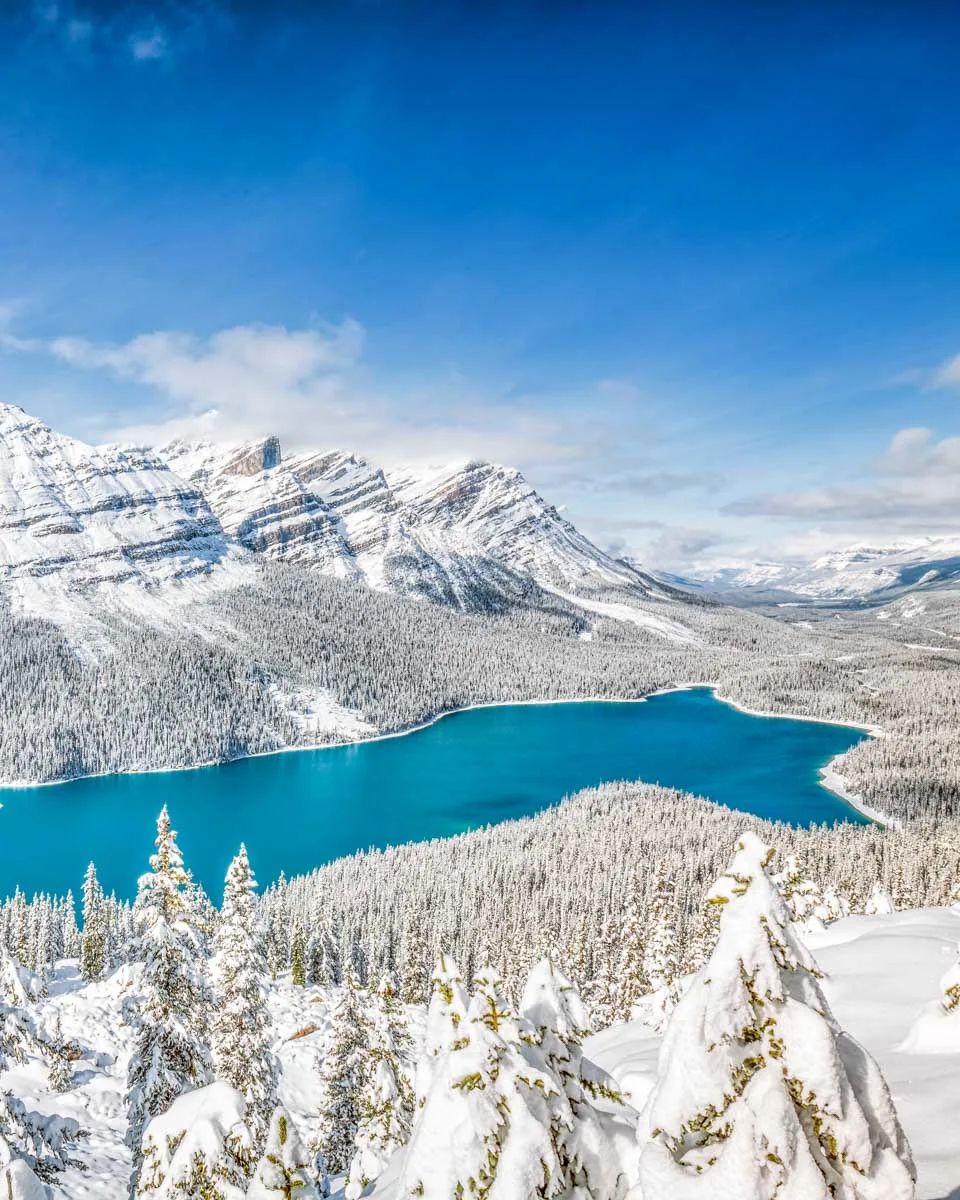
America’s national parks have long been a cornerstone of domestic travel, but in 2026 they are experiencing a resurgence in popularity. Parks like Yellowstone, Grand Canyon, Yosemite, and Glacier are drawing visitors eager to connect with nature and disconnect from technology. Beyond the classics, lesser-known parks such as Great Sand Dunes in Colorado, Lassen Volcanic in California, and Congaree in South Carolina offer spectacular scenery without the heavy crowds.
Many travelers are now planning trips around eco-friendly activities. Guided hikes, wildlife tours, and educational programs allow visitors to explore responsibly while learning about conservation and environmental preservation. National parks are also adapting to changing visitor needs with updated lodging, shuttle systems, and outdoor gear rentals that make extended stays more comfortable.
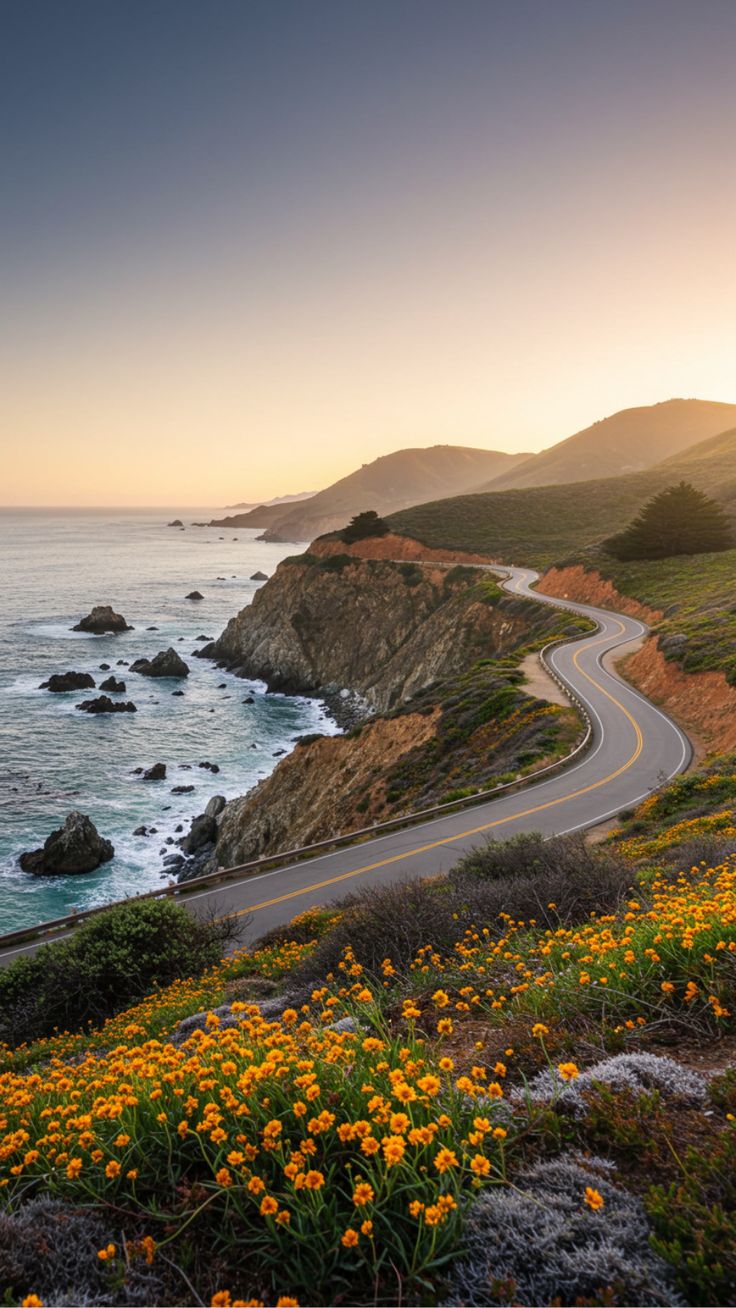
Scenic road trips remain a favorite for Americans in 2026. From the Pacific Coast Highway to Route 66, travelers are seeking routes that combine breathtaking landscapes with small-town charm. The rise of RV travel and glamping experiences has made these journeys more comfortable while maintaining a sense of adventure. Families, friends, and solo travelers alike are taking advantage of these options to create memorable, flexible itineraries.
Urban Adventures and Cultural Experiences
While natural beauty remains a major draw, cities are increasingly appealing to travelers seeking arts, food, and culture. Urban destinations like New York, Los Angeles, Chicago, and Miami continue to evolve with new museums, theaters, restaurants, and immersive experiences. At the same time, mid-sized cities such as Asheville, Charleston, and Austin are gaining recognition for vibrant local scenes, boutique hotels, and outdoor activities.
Food tourism is a particularly strong trend. Culinary experiences — from farm-to-table dining and street food tours to wine tastings and craft brewery visits — are a key part of city itineraries. Travelers are prioritizing local flavors and authentic experiences over chains or conventional tourist spots. Similarly, cultural festivals, music events, and pop-up markets provide opportunities to engage with communities and understand the history and identity of each location.
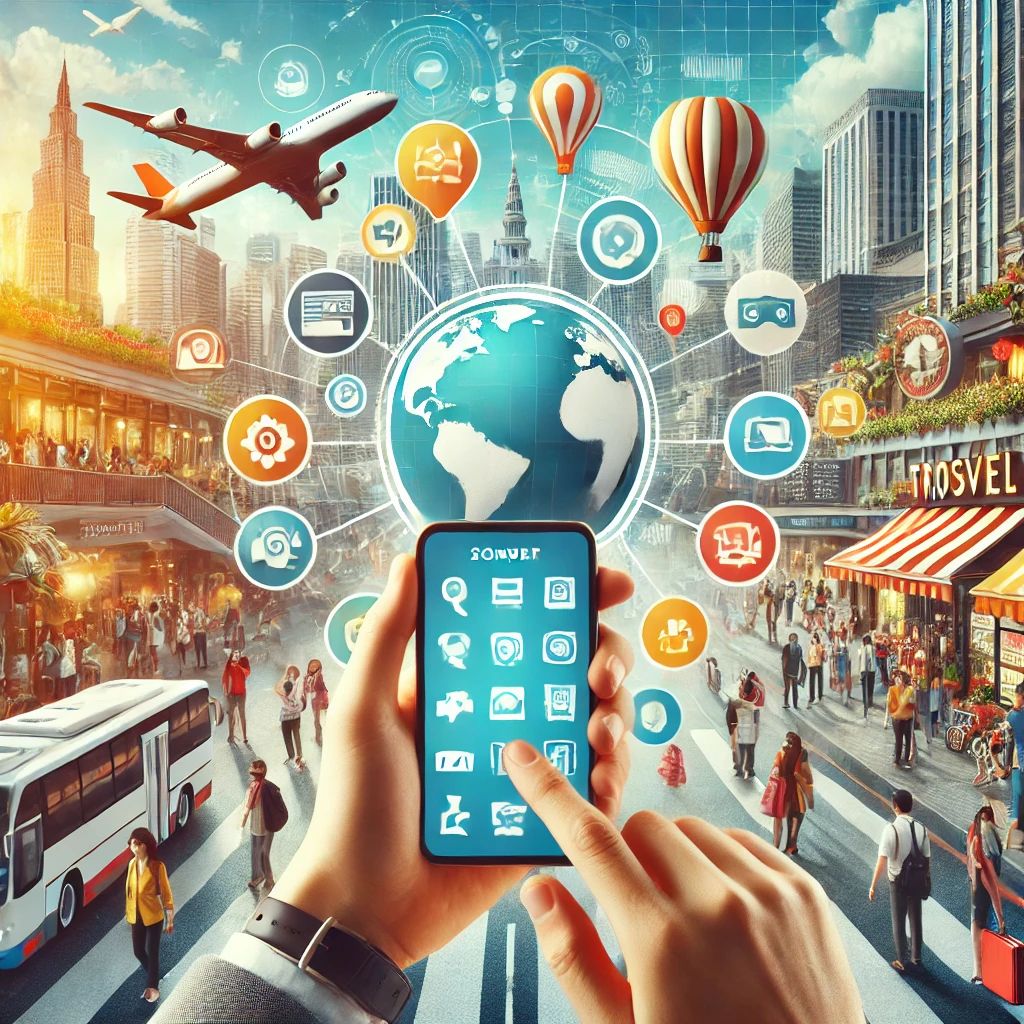
Technology is also transforming urban travel in 2026. Mobile apps and virtual guides allow visitors to explore neighborhoods, book experiences instantly, and find hidden gems that were previously accessible only to locals. This integration of technology enhances convenience while still encouraging authentic exploration, making cities more approachable for both first-time visitors and seasoned travelers.
Adventure, Wellness, and Off-the-Beaten-Path Destinations
Adventure tourism continues to grow, with Americans seeking activities that challenge their bodies and expand their horizons. Hiking, kayaking, mountain biking, zip-lining, and even aerial sports are increasingly popular. Many travelers are blending adventure with wellness, participating in retreats that combine physical activity with meditation, yoga, or spa experiences. Wellness tourism is expanding beyond luxury resorts into remote destinations that offer solitude, natural beauty, and sustainable practices.
Off-the-beaten-path destinations are also gaining traction in 2026. From small towns in the Pacific Northwest to desert retreats in New Mexico, travelers are eager to escape crowded tourist hubs. These trips often focus on local culture, craft workshops, community-based tourism, and outdoor exploration. Many Americans are seeking experiences that allow them to connect with both the environment and the communities they visit.
Road trips, train journeys, and multi-destination itineraries are increasingly popular for these exploratory travelers. They allow flexibility and the ability to discover hidden gems that might be overlooked in standard travel guides. This approach reflects a broader trend: in 2026, travel is less about ticking off destinations and more about meaningful, memorable experiences. Travelers want to return home not just with photos, but with stories, insights, and personal growth.
Planning the Perfect 2026 Travel Experience
With so many options available, planning a trip in 2026 requires thought and intentionality. Travelers are advised to prioritize destinations and activities that align with their interests, whether that’s nature, culture, adventure, or relaxation. Combining different experiences — urban exploration with outdoor adventure, for example — can maximize enjoyment and create a well-rounded trip.
Flexibility is also key. Many Americans are opting for longer stays in single destinations, allowing them to immerse themselves fully rather than rushing through multiple locations. Travel insurance, up-to-date planning apps, and flexible booking options are becoming standard tools for modern travelers who value both safety and spontaneity.
Sustainability is another important consideration. Travelers increasingly want to reduce their environmental impact through responsible choices: selecting eco-friendly accommodations, supporting local businesses, minimizing waste, and participating in conservation efforts. These small decisions collectively enhance the travel experience while contributing to a healthier planet.
In conclusion, 2026 promises a dynamic and diverse landscape for American travelers. Whether exploring national parks, discovering cultural gems in cities, seeking wellness and adventure, or uncovering hidden corners of the country, there has never been a better time to plan a journey. Travel in 2026 is about more than destinations — it’s about experiences, connections, and memories that last a lifetime.